






In This Article Show
Alpine gardens bring the beauty of mountain landscapes right to your backyard with a quirky mix of hardy plants, natural stone, and low-maintenance design. They’re surprisingly good for small spaces and can turn just about any yard into a peaceful retreat that looks great all year—even when you’ve forgotten to water for a week or two.

I’ll show you how to create stunning alpine gardens using drought-tolerant plants, natural stone, and colorful mountain flowers that honestly don’t need much fuss once they settle in.
From building raised stone beds with proper drainage to adding water features that echo mountain streams, these ideas can help you design a little mountain oasis right at home—even if you’re nowhere near the Rockies.
1. Create an alpine succulent garden with drought-tolerant plants
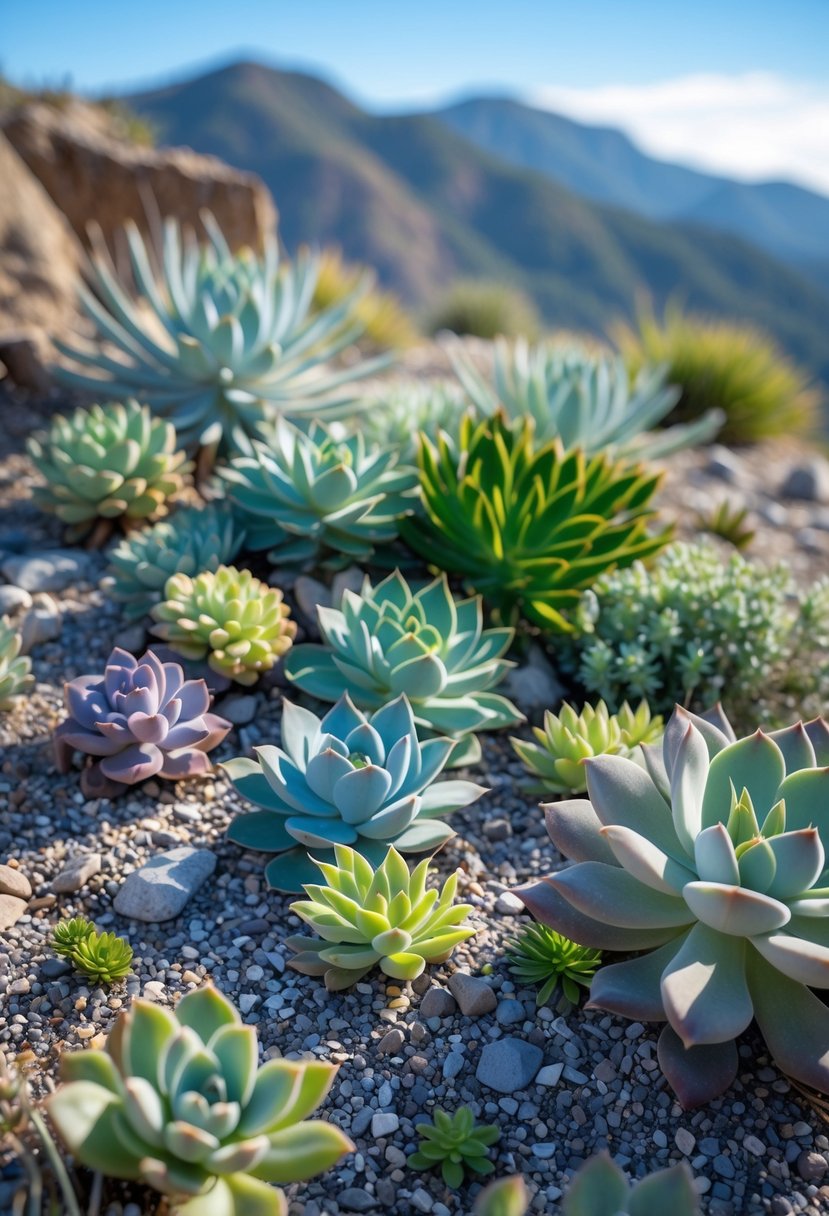
I like mixing succulents with alpine plants for a mix of textures you just can’t get with ordinary flowers. This setup thrives in dry, rocky spots—no need to baby them.
Succulents store water in their leaves, so you don’t have to water them every other day. They’re perfect for anyone who’s got a busy schedule (or just forgets sometimes).
2. Incorporate a rockery using natural stones to mimic mountain terrain
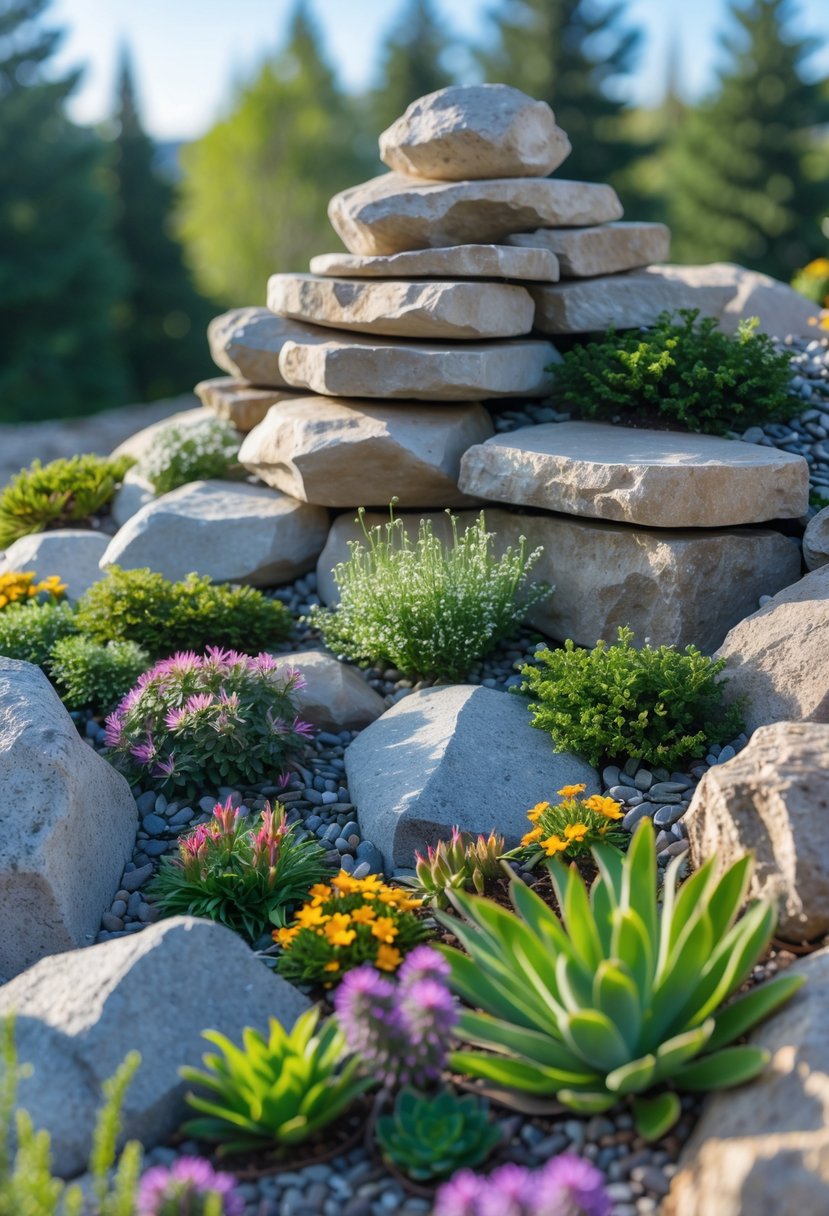
I use natural stones to get that mountain vibe in my alpine garden. Rocks are the backbone here—big ones for structure, then I wedge smaller stones and gravel in the gaps for drainage. It’s kind of like putting together a puzzle, honestly.
3. Plant Rock Cress for vibrant spring blooms and butterfly attraction
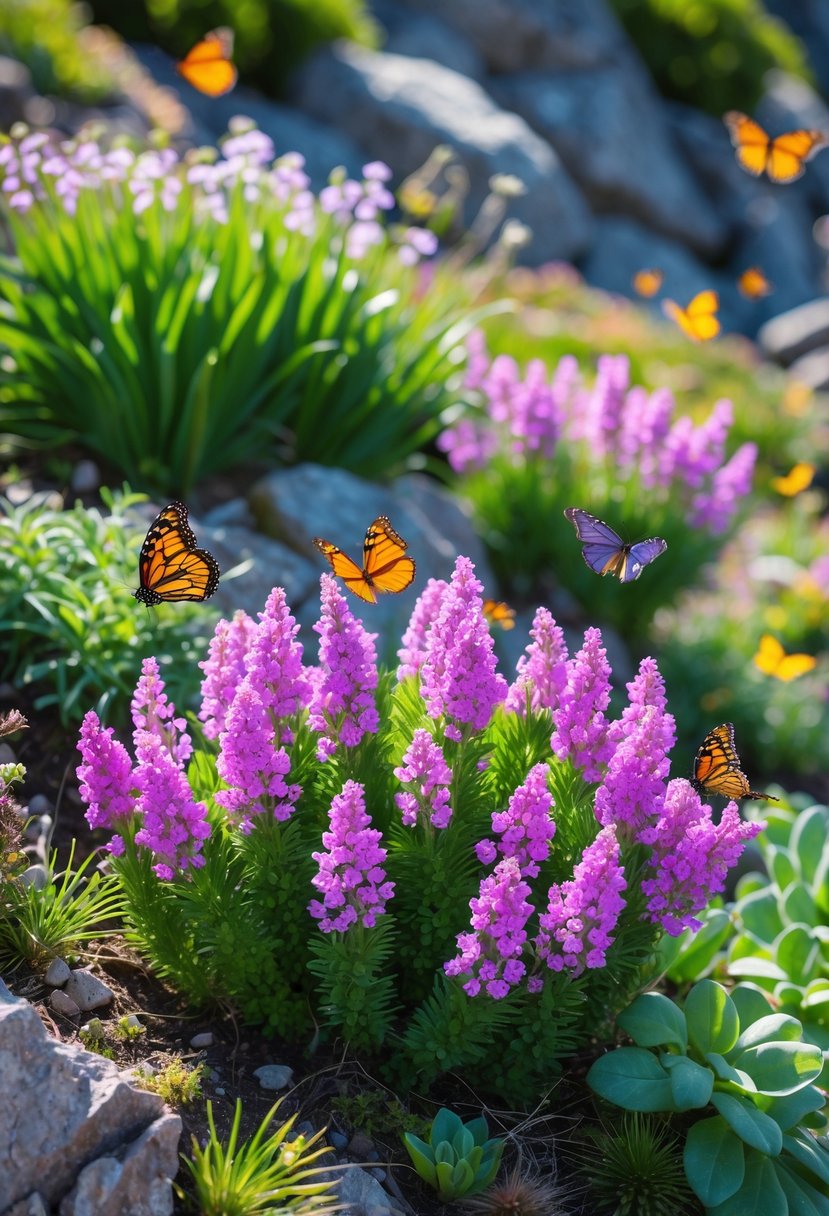
Rock cress is my go-to for a burst of spring color. This hardy perennial throws out a ton of small, fragrant flowers—white, pink, purple, you name it—from mid-spring into early summer. Butterflies seem to love it too.
4. Use well-drained soil to support alpine plant health
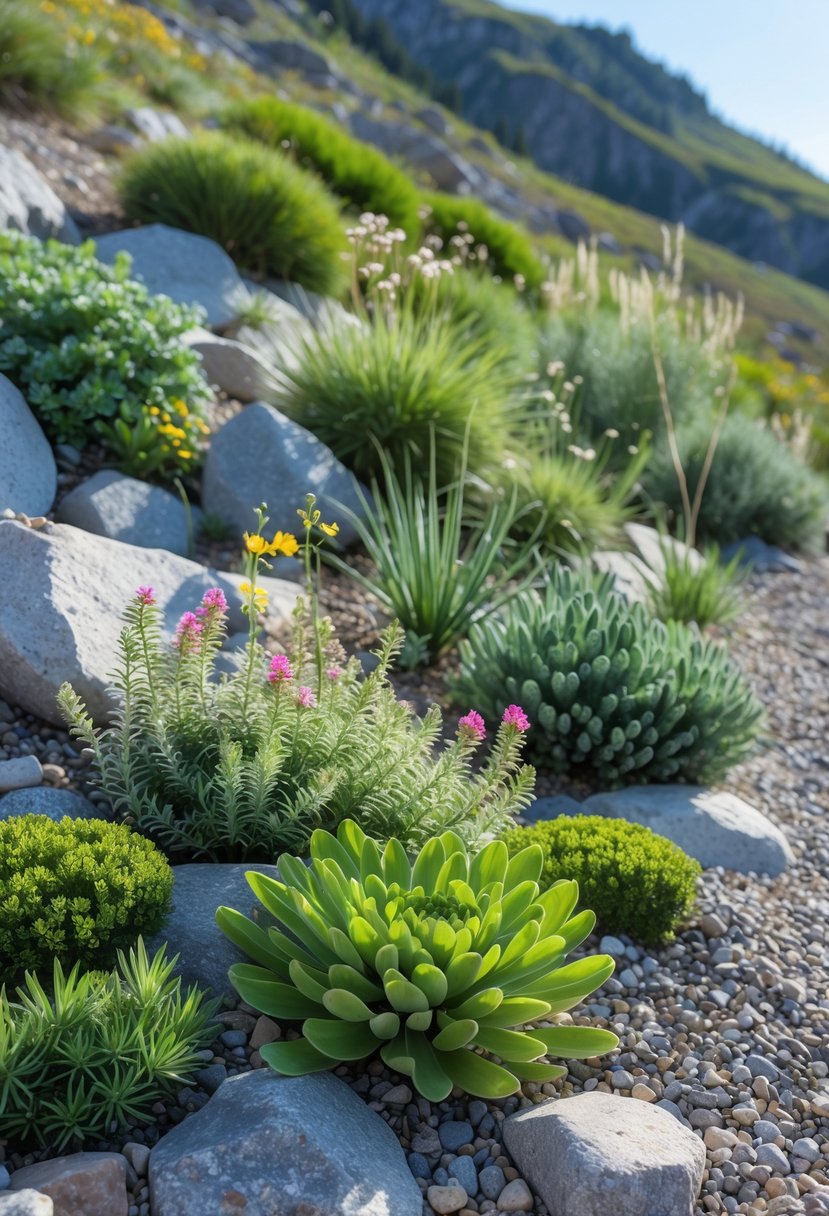
For my alpine plants, I always go with gritty, well-draining soil. They just don’t do well in soggy ground. I usually mix in gravel or grit with regular soil to help water run off fast after it rains.
5. Design a low-maintenance alpine garden with hardy species
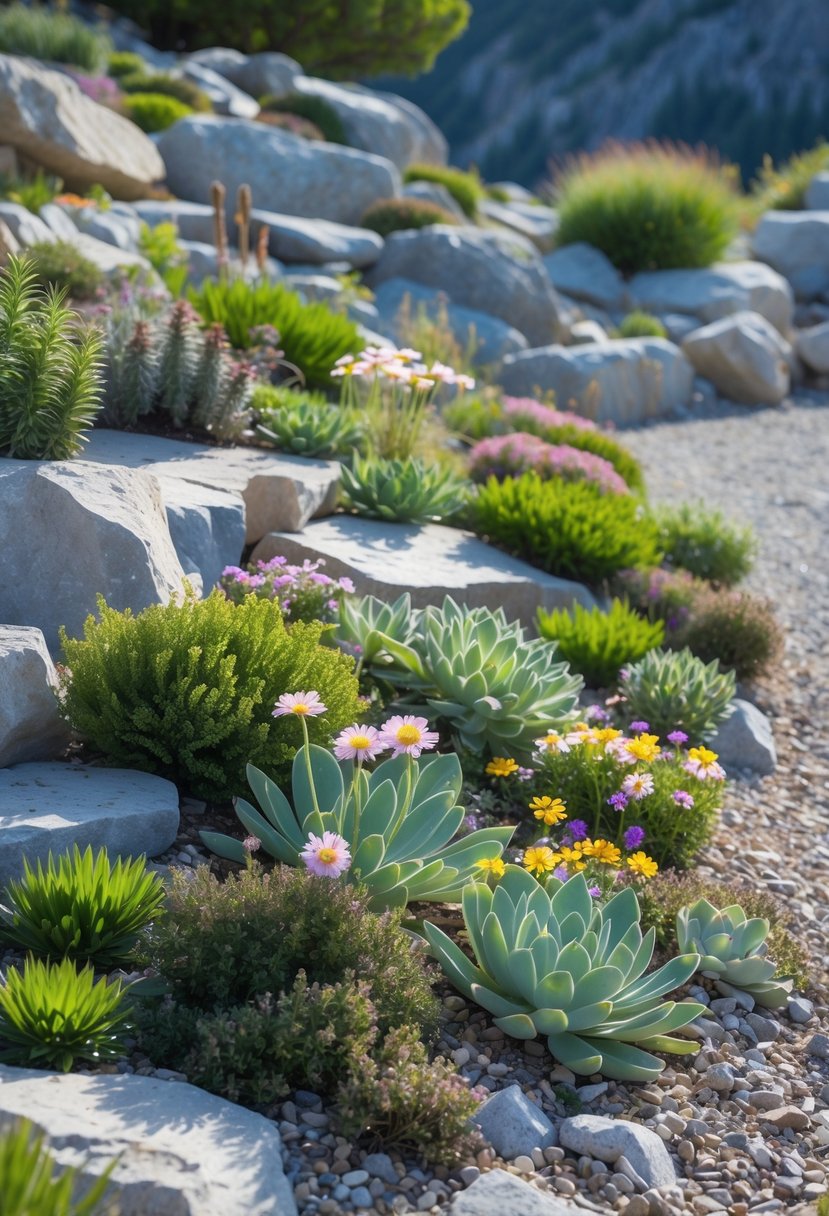
I lean toward plants that shrug off tough conditions. Alpine species like saxifrage, creeping thyme, and dwarf conifers don’t mind rocky soil and don’t need much attention. They grow slowly, stay compact, and need barely any watering once they’re settled in.
6. Add colorful flowering alpine plants like Edelweiss and Saxifrage
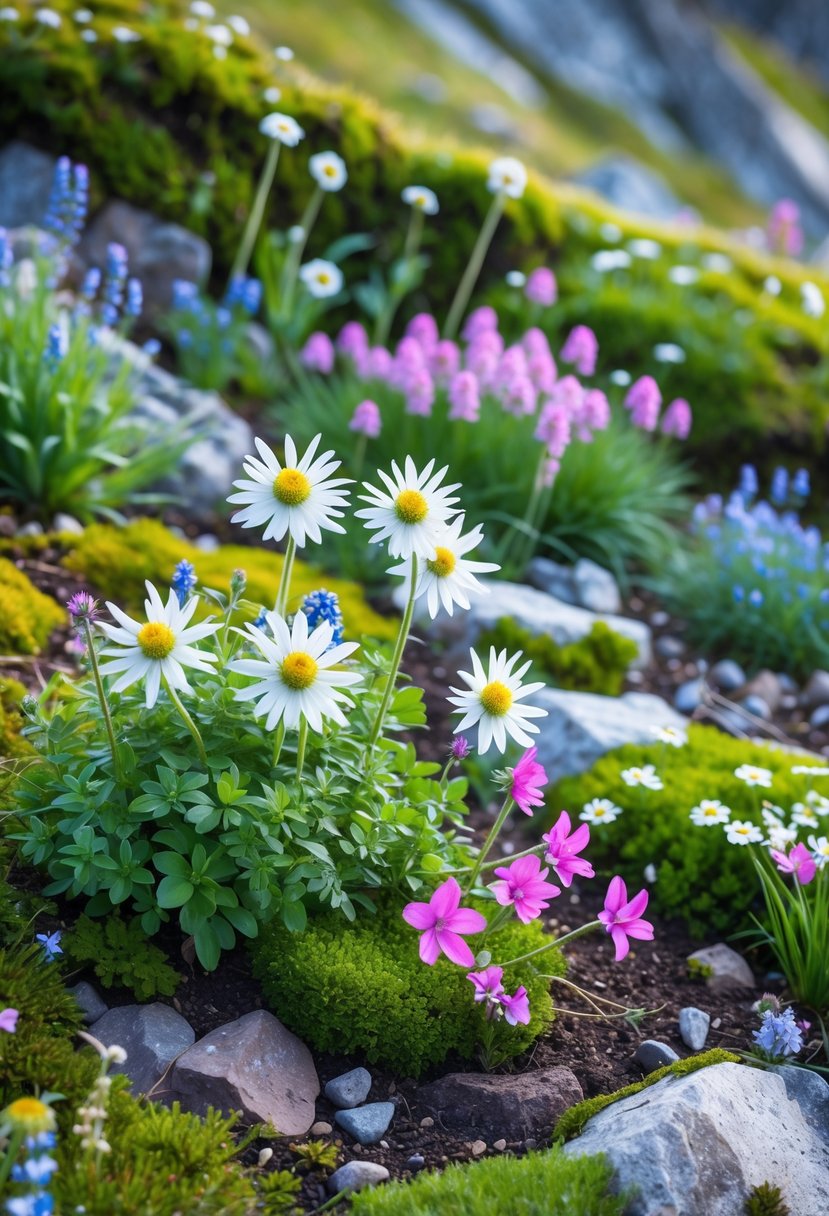
Edelweiss brings in those classic white, starry blooms everyone recognizes. Saxifrage is great too—it forms cushions of color and handles rocky soil like a champ. Both are tough and add a ton of personality to my garden.
7. Integrate a small water feature reflecting alpine streams
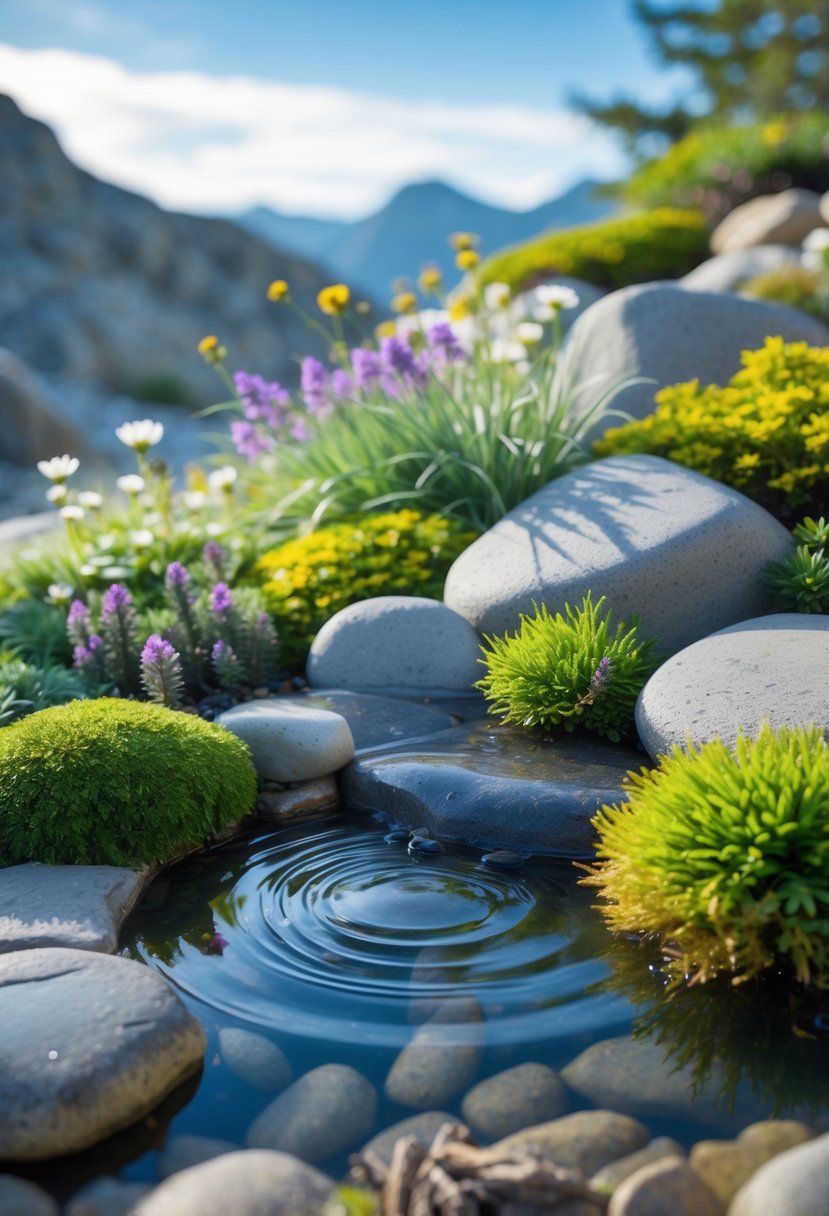
I like sneaking in small water features—think mini waterfalls or bubbling fountains—to mimic mountain streams. The sound is soothing, and the water looks great against all the rocks and dry areas.
8. Combine succulents with alpine plants for texture contrast
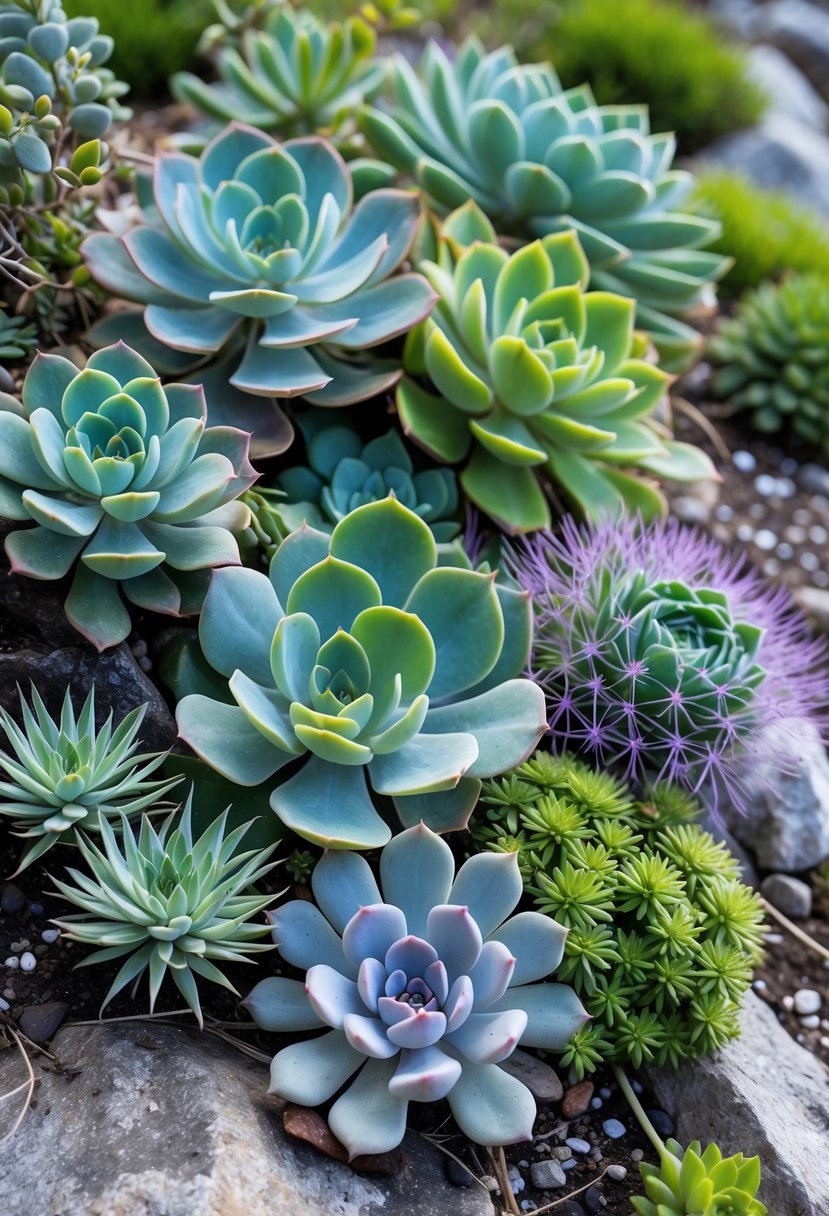
Mixing succulents with classic alpine plants makes for awesome texture. The smooth, fleshy leaves of succulents pop against the finer alpine flowers. Both like rocky, well-drained soil, so they play well together.
9. Build raised stone beds for improved drainage and aesthetics
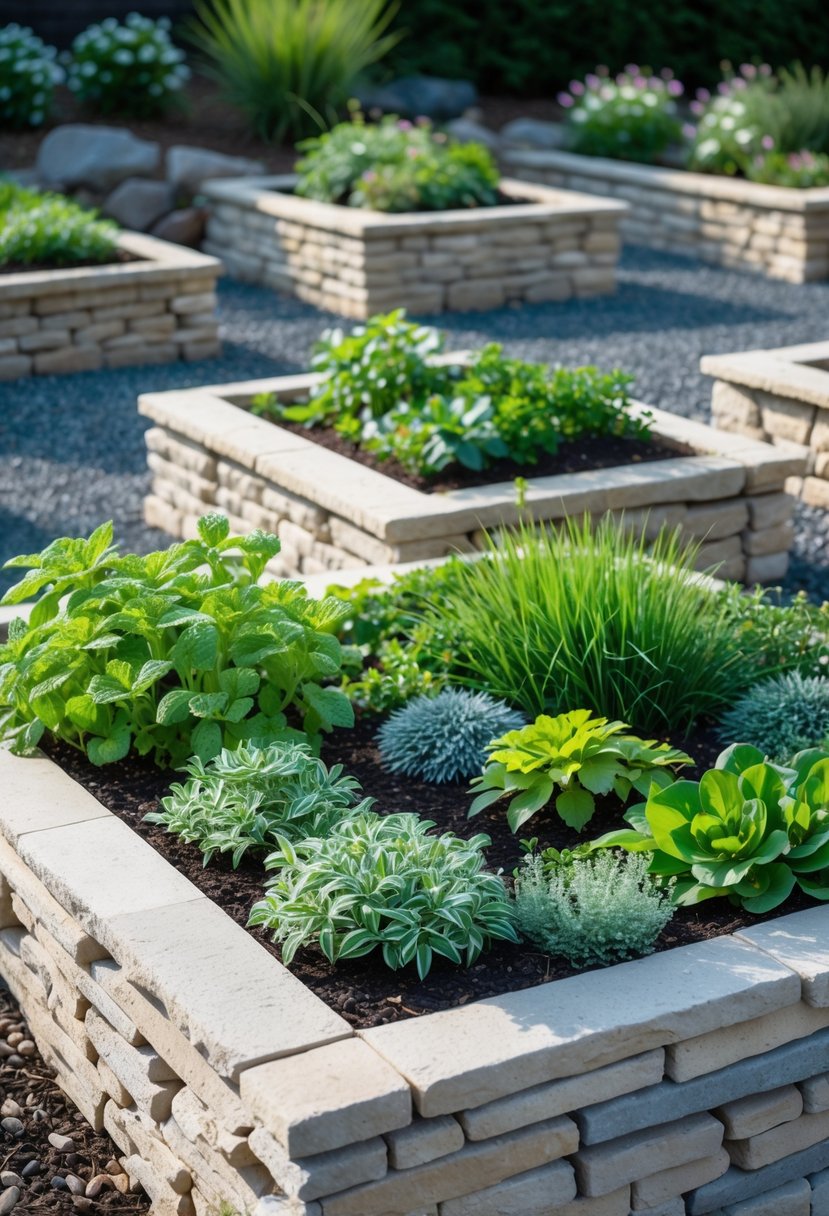
I’m a big fan of stone raised beds for alpine gardens. They solve drainage issues that can wipe out mountain plants fast. By lifting the plants up, water drains away quickly—no soggy roots here.
10. Include dwarf conifers for year-round greenery
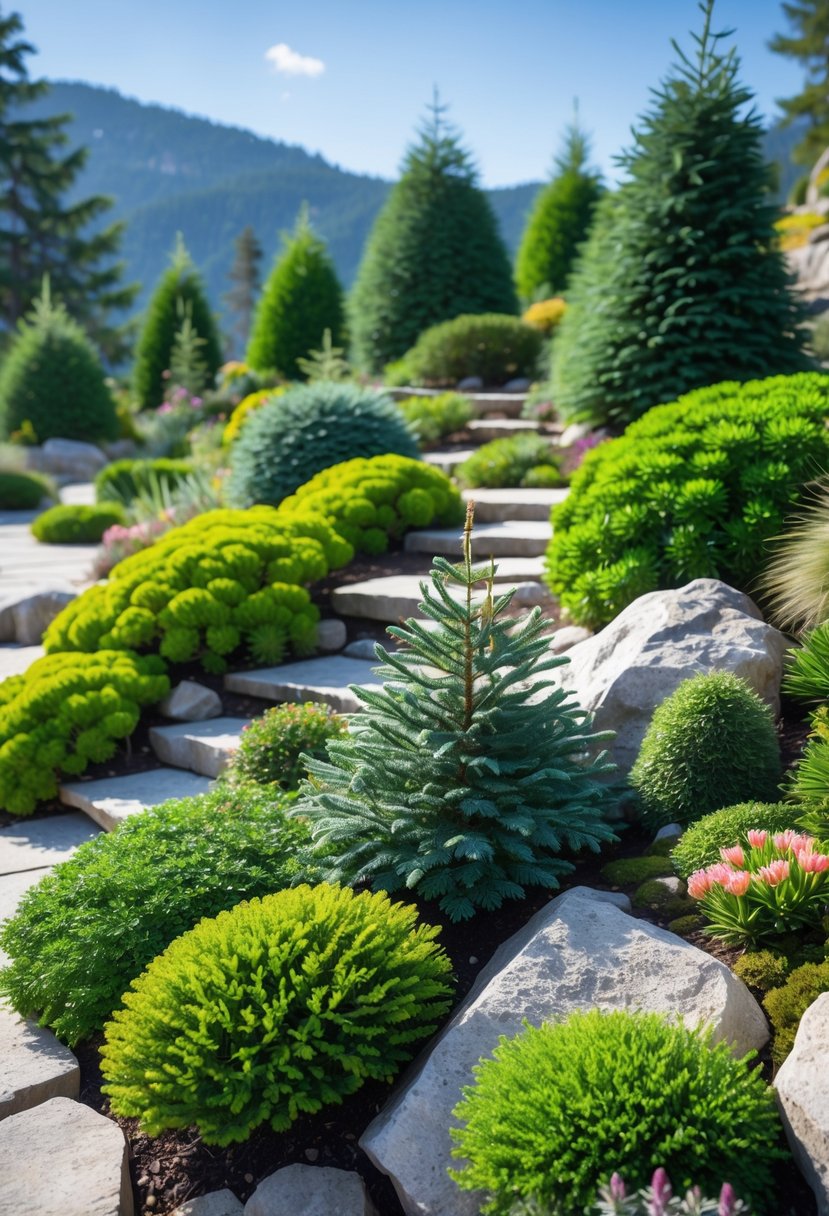
I always recommend dwarf conifers if you want greenery that sticks around. These little evergreens keep their color all year and fit nicely into rock gardens or tight corners. Most barely grow an inch or two a year, so they’re easy to manage.
11. Use stepping stones surrounded by moss and small groundcovers
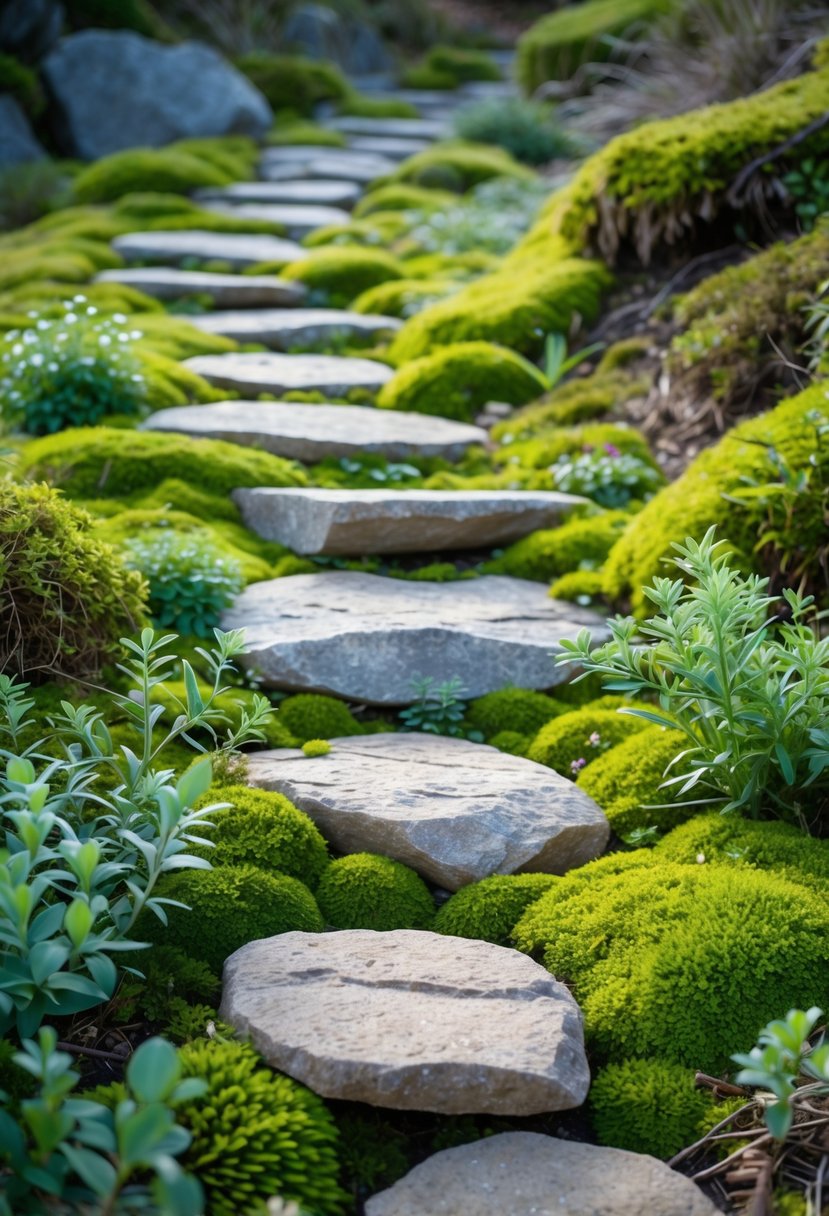
I lay out natural stone stepping stones with moss tucked in between. It just feels right for alpine gardens. Groundcovers like creeping thyme stay low and don’t trip you up as you walk through.
12. Add ornamental grasses adapted to alpine conditions
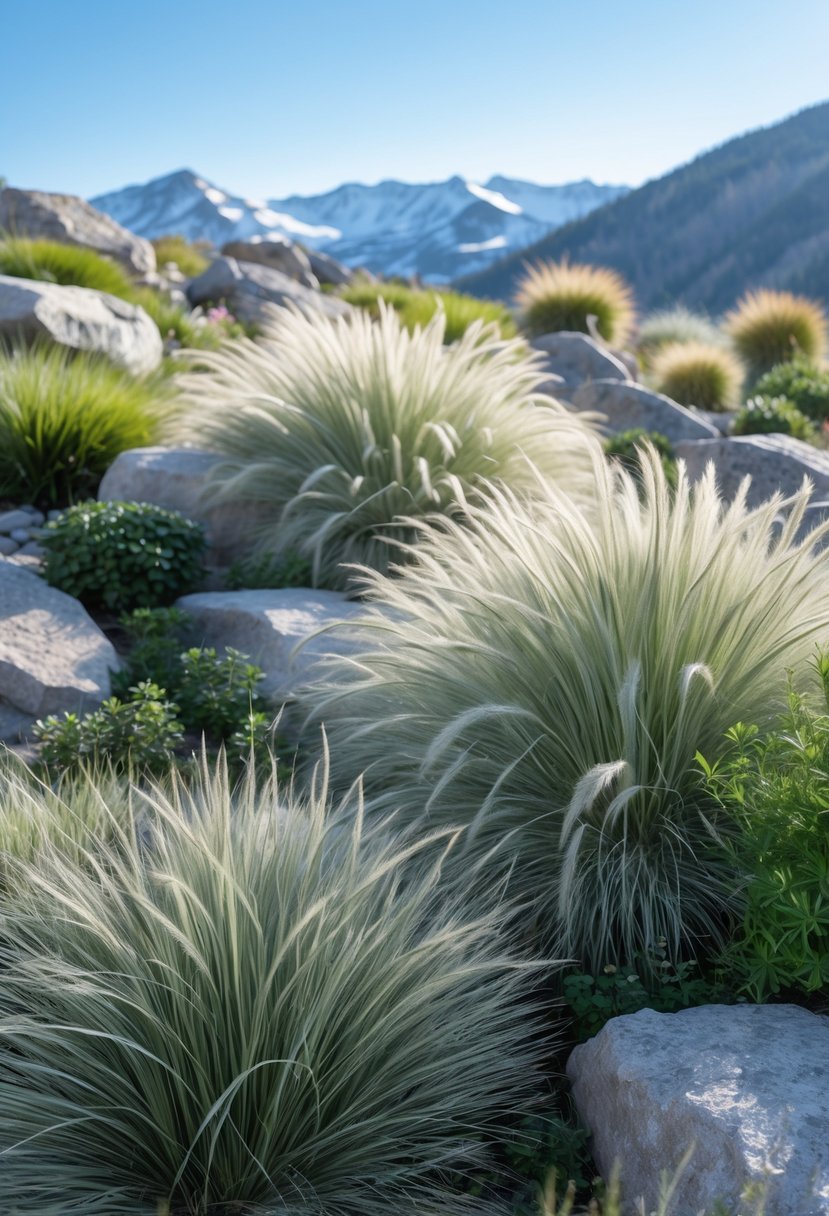
I like to add hardy grasses that can handle mountain weather. They move in the breeze and add a different texture. Grasses work in containers or right in the rock garden, and they’re happy just about anywhere you put them.
13. Choose alpine plants that thrive in full sun exposure
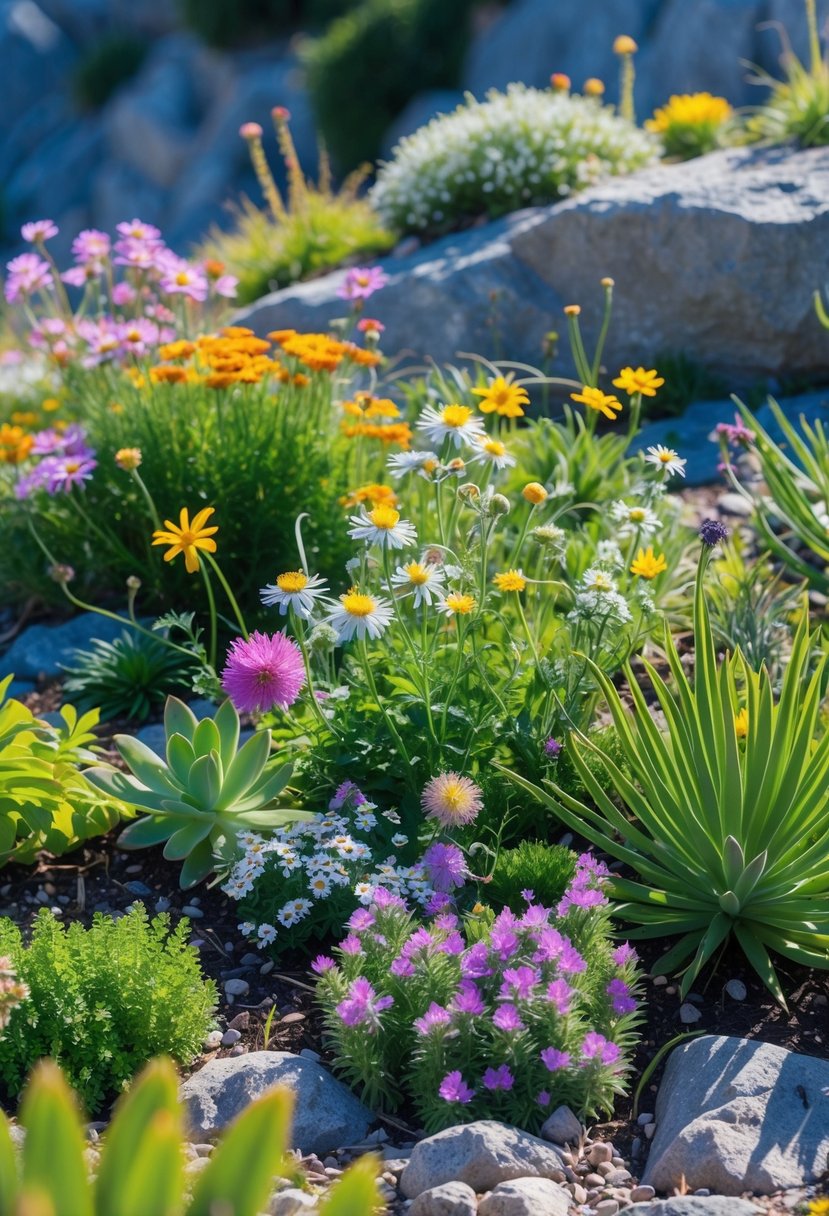
Go for alpine plants that soak up the sun. Most of them need full sun to really perform—six to eight hours a day is perfect. These plants evolved on sunny slopes, so they’ll thank you for all that light.
14. Create a mountain retreat ambiance with natural wood elements
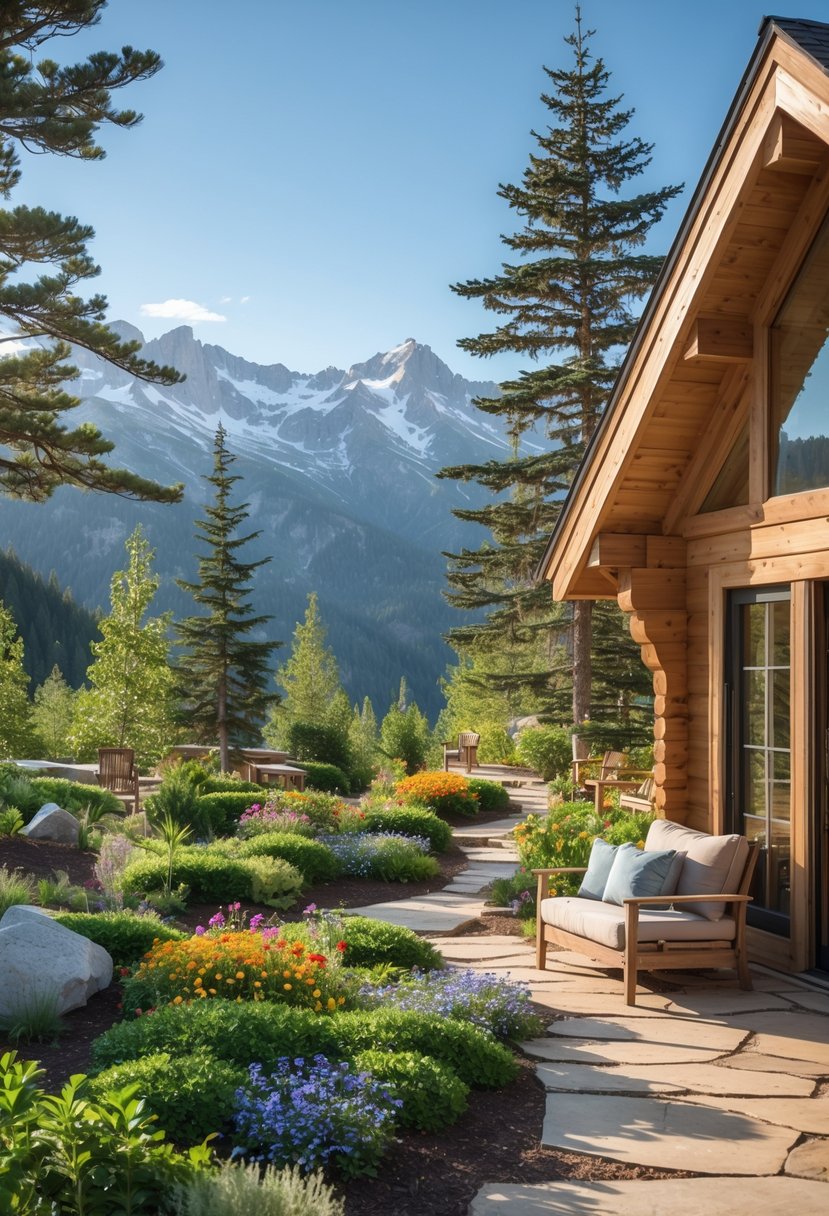
I use wooden shelves and rustic planters to show off my alpine plants. Natural wood accents add warmth and make the space feel inviting. There’s something about wood that just blurs the line between indoors and outdoors, don’t you think?
15. Incorporate seasonal color with summer-blooming alpine perennials
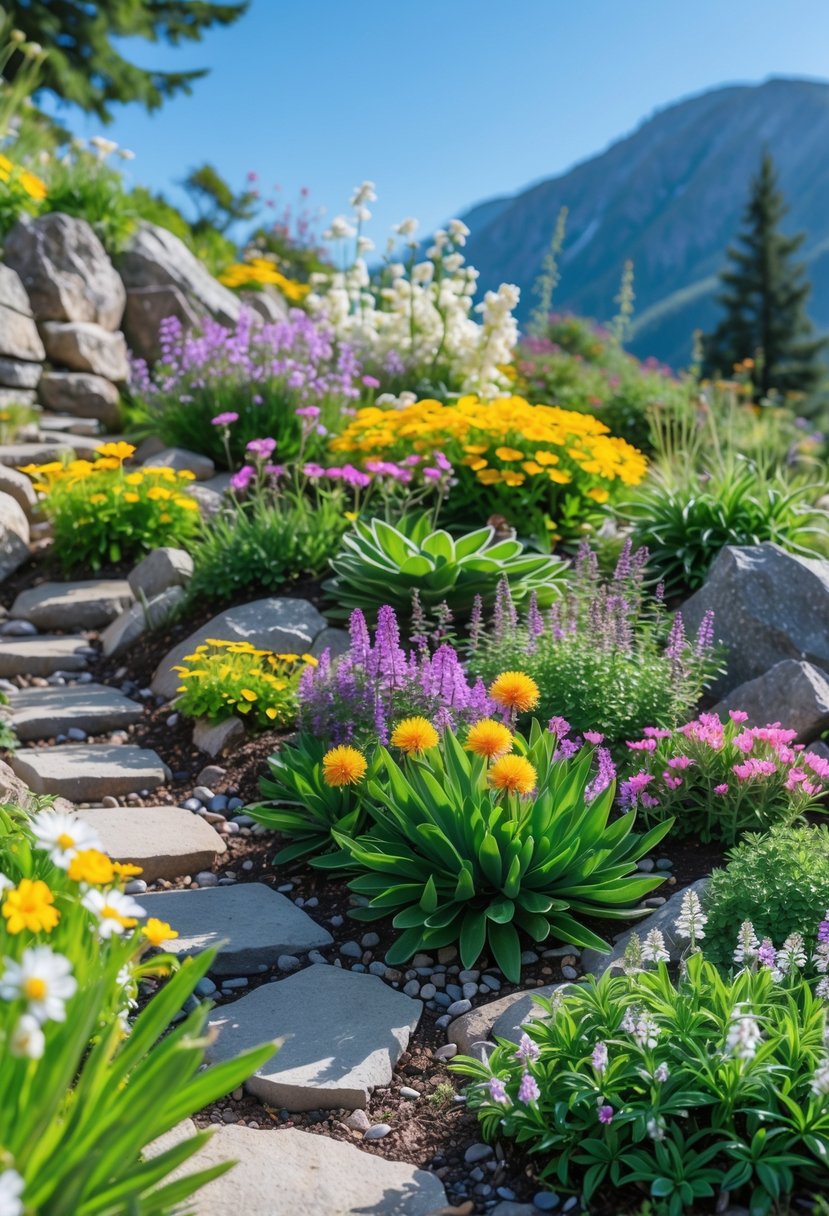
I always go for Alpine Pink when I want vibrant summer blooms. These tough little plants handle drought and cold, all while filling the air with their unmistakable fragrance and color.
Alpine Forget-Me-Nots? They splash borders with sky-blue flowers and just seem to love those cool, slightly damp spots you find in mountain gardens.