





In This Article Show
Side return gardens are easy to overlook, but honestly, they can add so much beauty and function to a home. These spaces usually end up narrow, awkward, and, let’s face it, a bit neglected if you don’t have a plan.

With the right ideas, I can turn my side return into a spot that’s actually inviting—good for relaxing, growing plants, or even sneaking in some clever storage.
Here’s a list of creative options I’ve come across to help make the most of every bit of outdoor space.
1. Create a narrow planting strip with shade-tolerant ferns
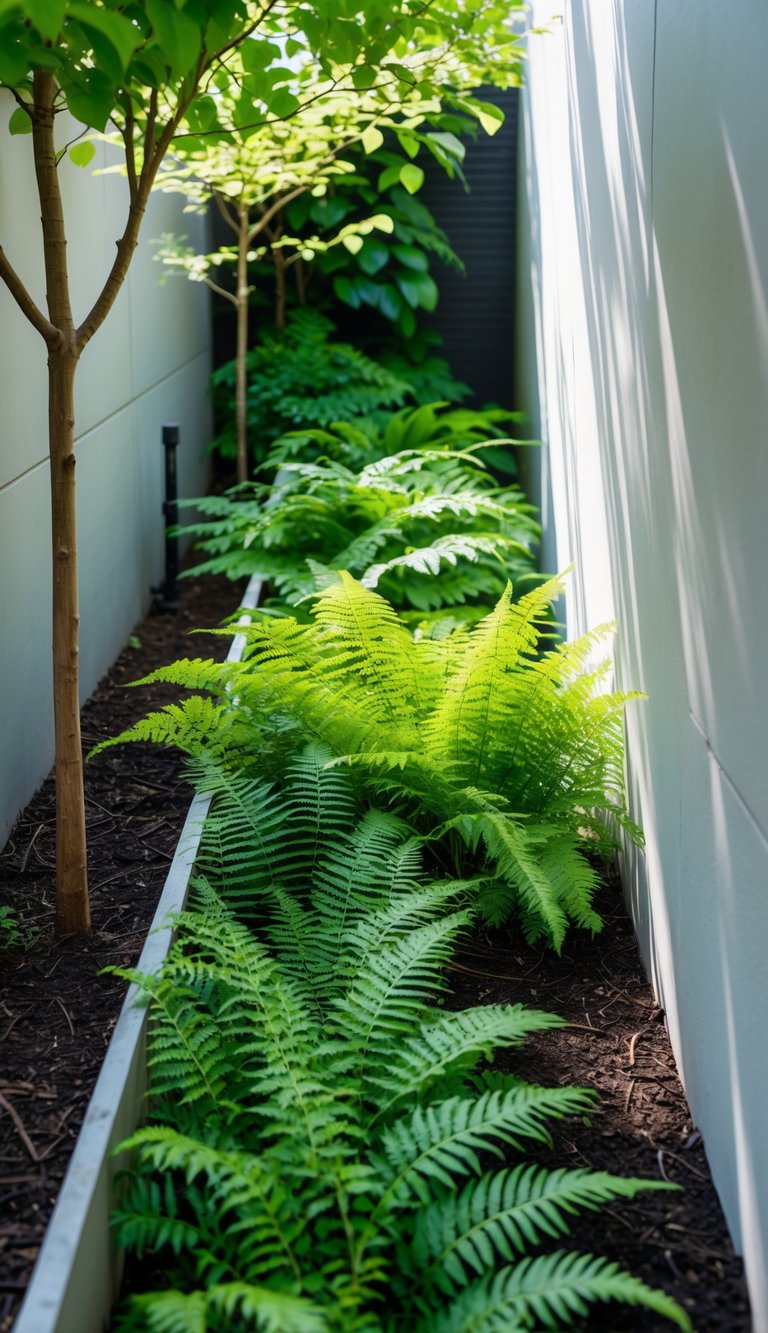
I like using shade-tolerant ferns for narrow strips along my garden paths. Ferns don’t need much sunlight and fill tight spaces with soft, green leaves. Sometimes I’ll add hostas for more texture—feels lush without any fuss.
2. Install a hidden seating bench along the pathway
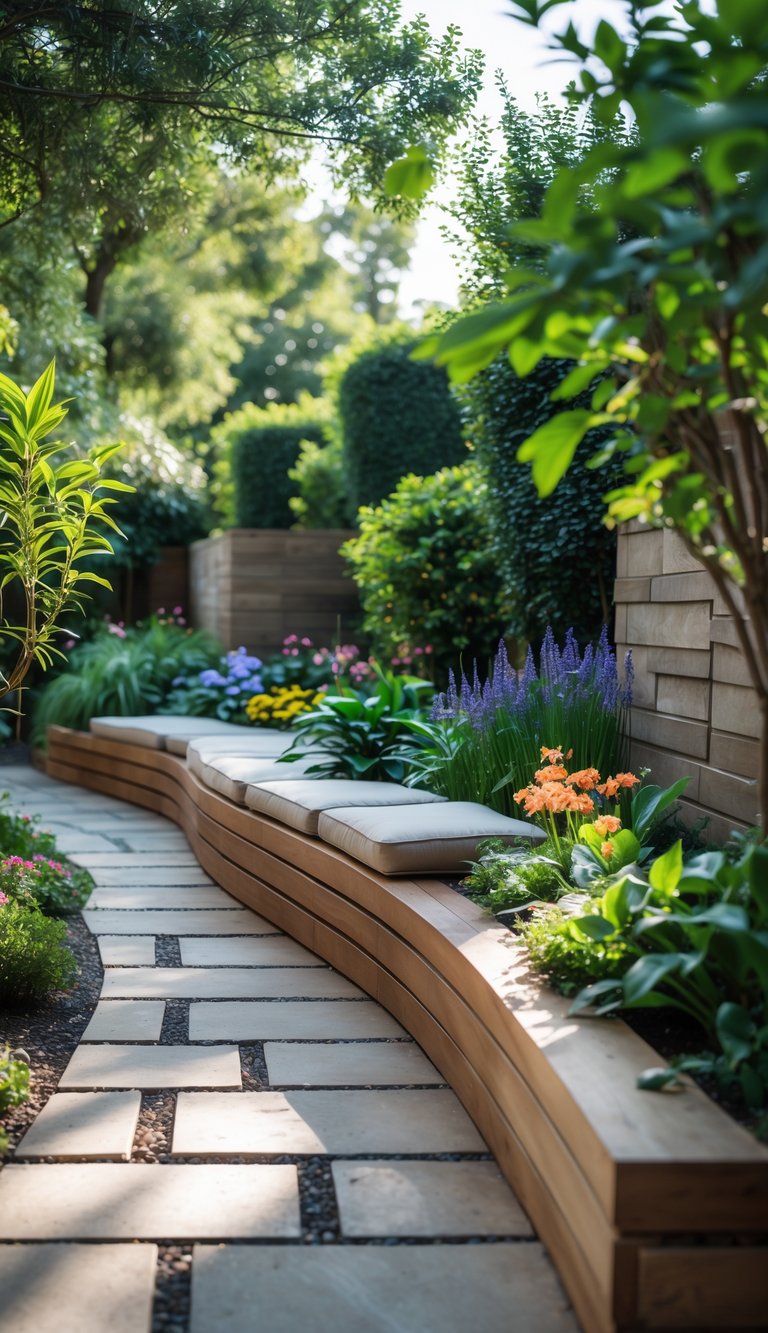
I like to tuck a built-in bench along the path in my side return garden. It gives me a quiet place to sit and unwind. Some shrubs or a screen help keep that spot a bit private—perfect for sneaking away with a cup of tea.
3. Use climbing plants like jasmine or clematis on side walls
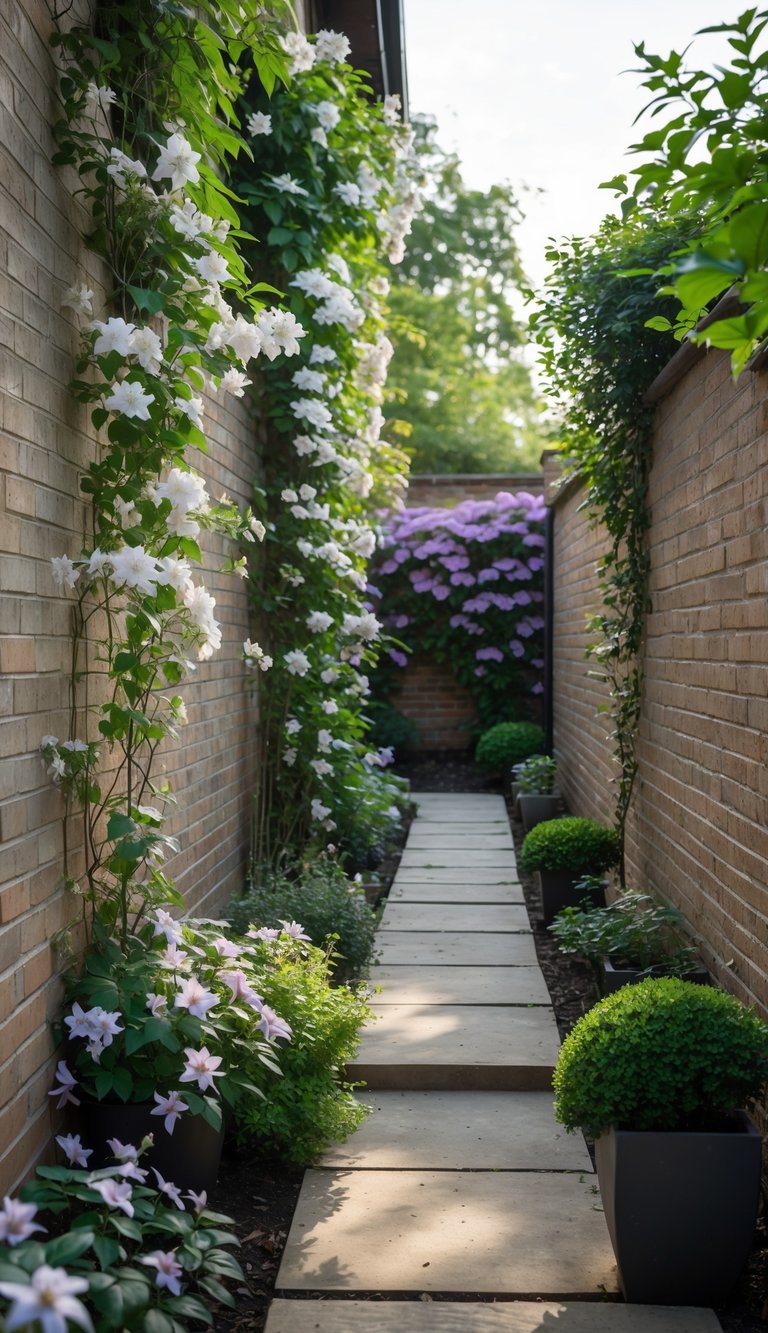
I often add climbing plants like jasmine or clematis to the side walls. They grow up instead of out, so I don’t lose precious ground space. Plus, the pops of color and occasional scent make the whole area feel a bit magical.
4. Add decorative stepping stones to define the walkway

I use decorative stepping stones to carve out a clear path in a side return garden. They keep shoes dry (and cleaner) after rain, and honestly, they’re fun to arrange if you want to play with patterns or shapes.
5. Incorporate vertical planters to maximize small space
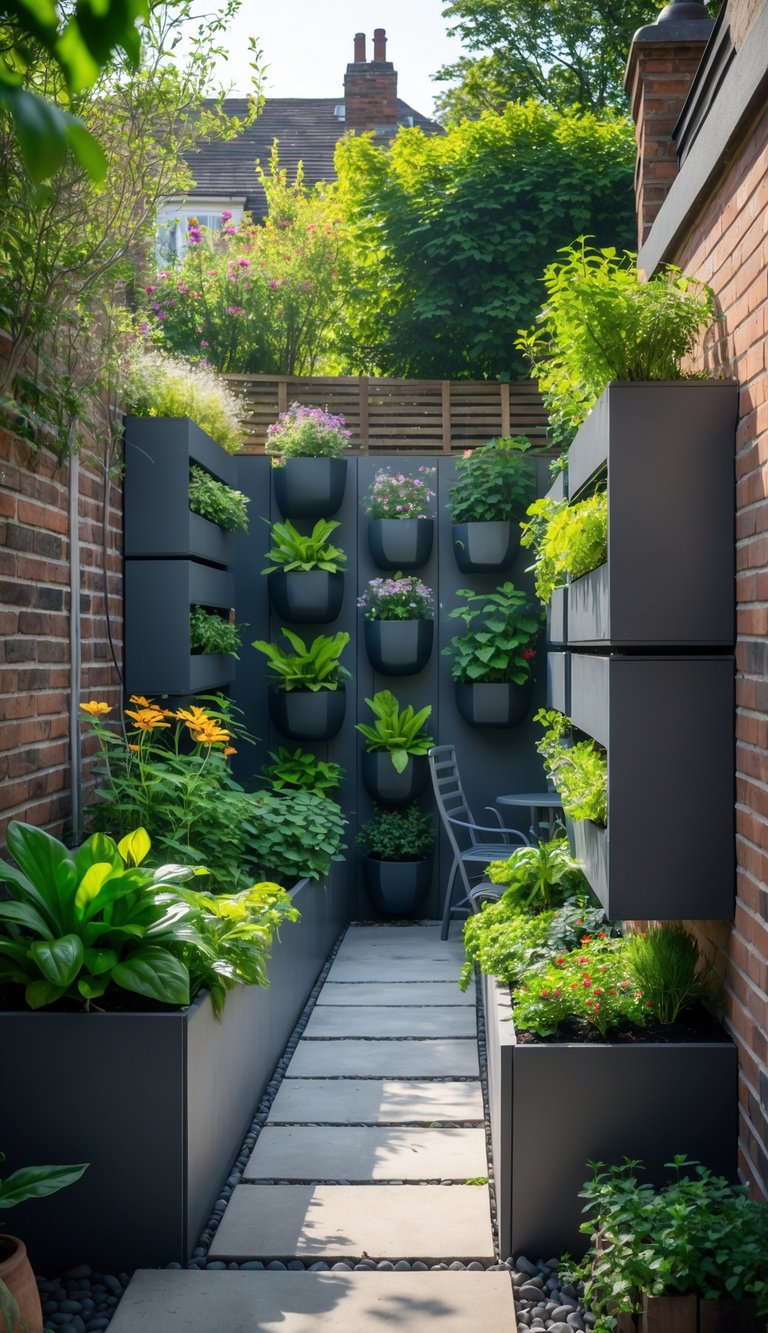
I use vertical planters to make the most of narrow side return gardens. Hanging pots on fences or walls lets me grow herbs, flowers, or even some veggies.
Wall-mounted planters keep greenery up and out of the way, which is pretty much essential when there’s barely room to walk.
6. Place solar-powered LED path lights for evening ambiance
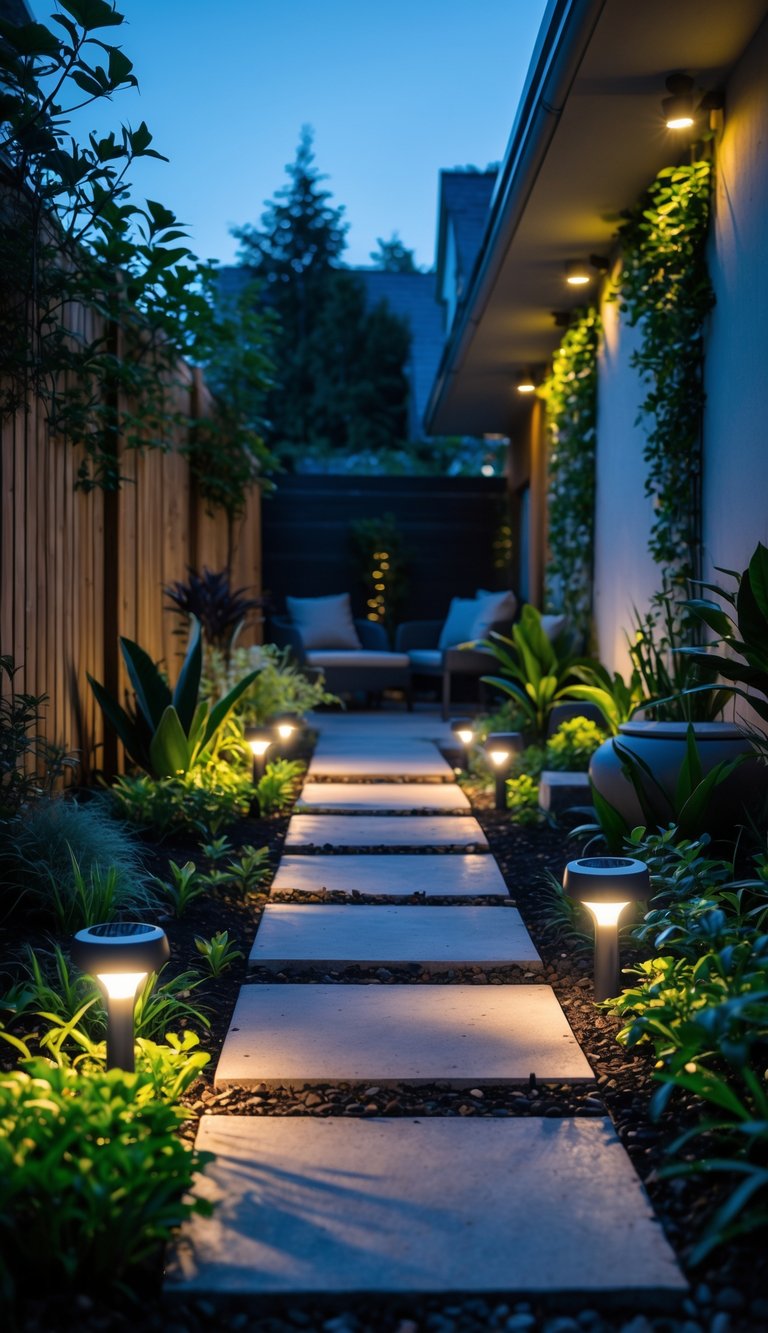
I like lining my side return with solar-powered LED path lights. No wiring, no drama. They throw off a soft glow at night—just enough to make the walkway feel cozy without blinding anyone.
7. Use gravel and mulch for low-maintenance ground cover
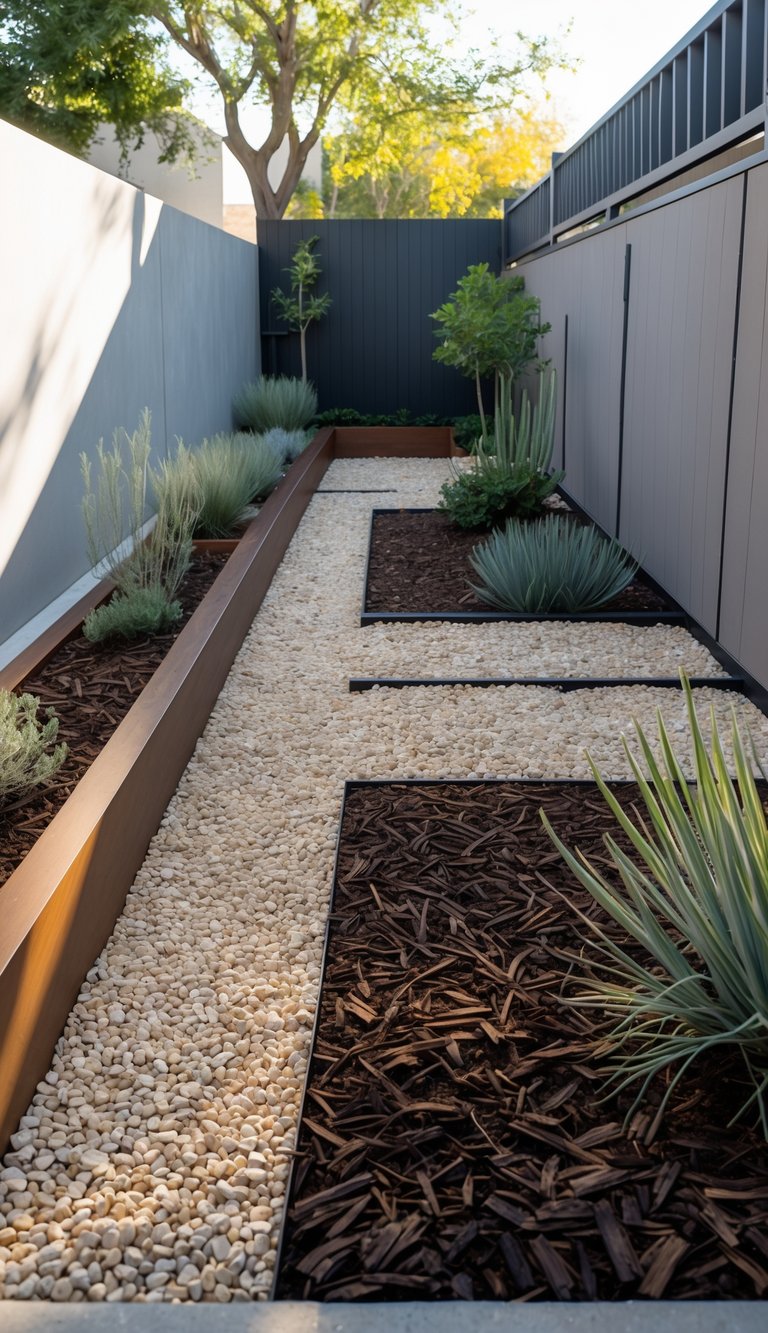
I use gravel and mulch in side return gardens because they’re low maintenance. Gravel keeps the weeds down and drains well. Mulch helps the soil stay moist and makes everything look a bit tidier.
8. Install a trellis with fragrant honeysuckle

I add a trellis to my side return for honeysuckle vines. They climb fast and use vertical space well.
The flowers smell sweet all summer. Even in a narrow, shaded spot, honeysuckle seems happy enough.
9. Plant dwarf boxwoods for neat border edging
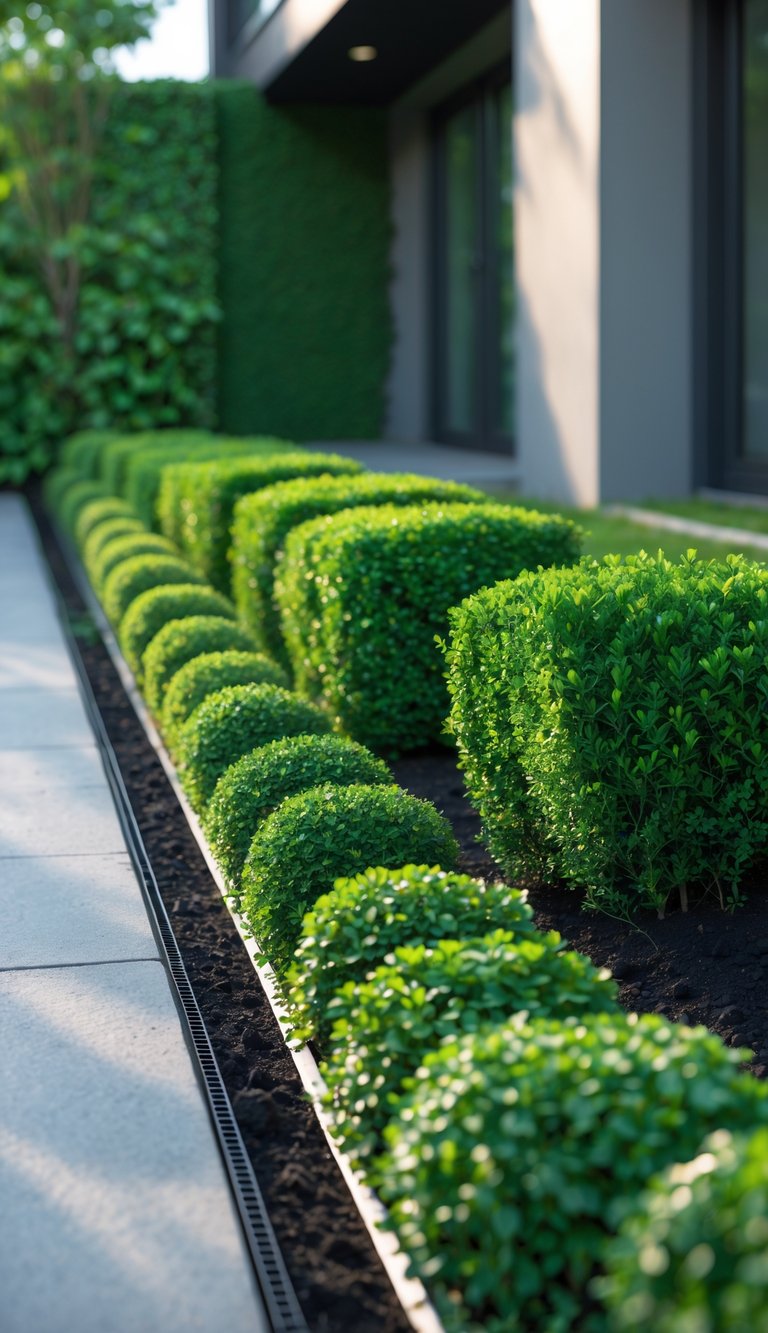
I use dwarf boxwoods to make a tidy edge along my garden paths. They stay small, are easy to trim, and give the space a neat, organized feel that’s hard to beat in a small garden.
10. Add a water feature like a small fountain
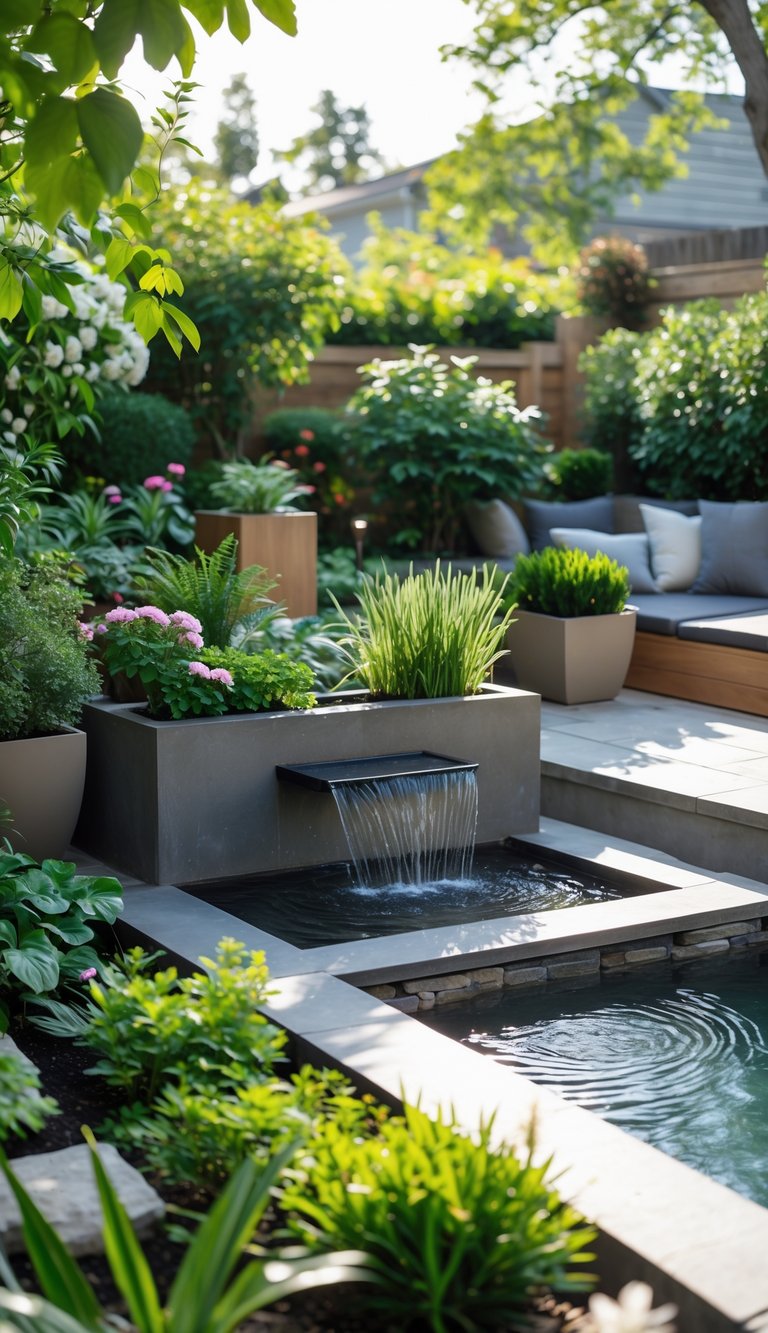
I squeeze in a small fountain when I can. The sound of water is calming—sometimes surprisingly so. Even a little fountain can become a focal point in a skinny spot.
11. Use raised beds for herbs and edible plants
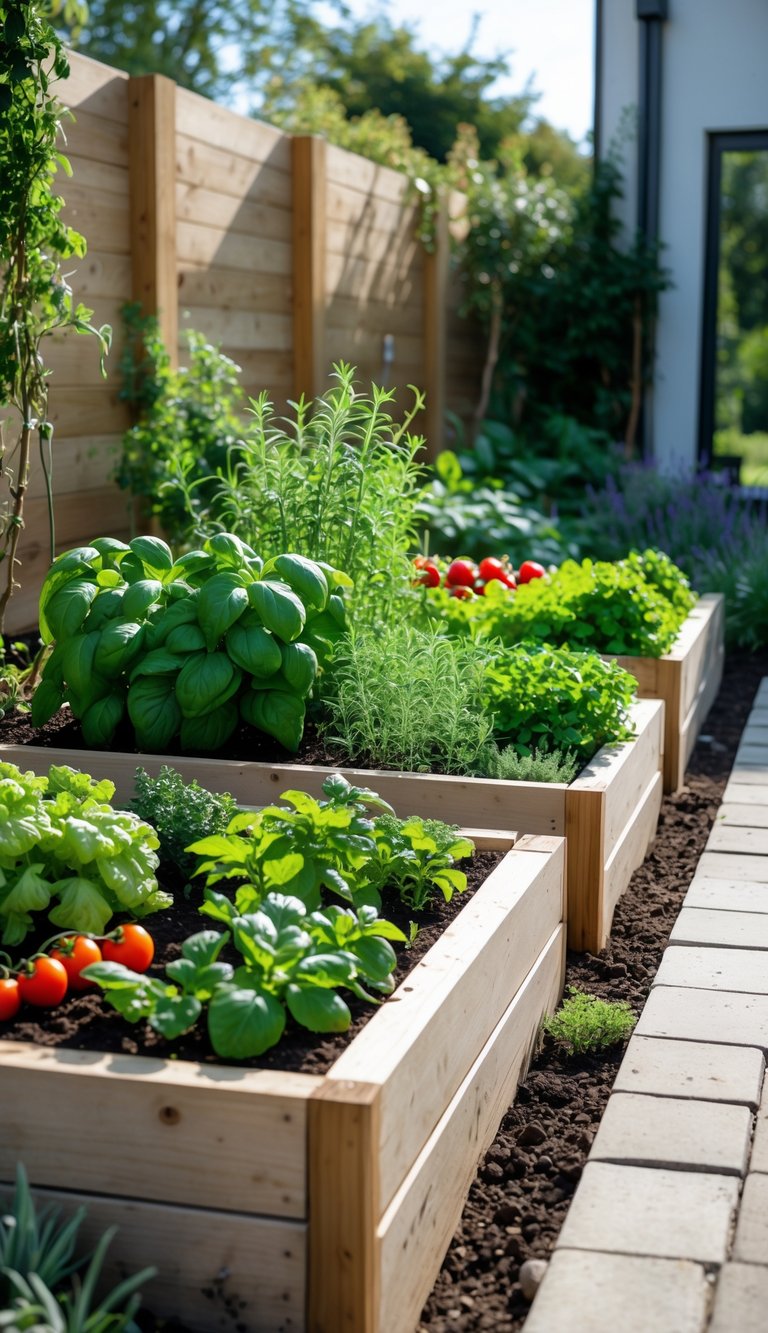
Raised beds are my go-to for herbs and veggies in a side return. They organize the space and improve soil quality.
I can easily plant favorites like basil, chives, and lettuce. Plus, no more bending over to weed.
12. Incorporate colorful flowerpots along the path
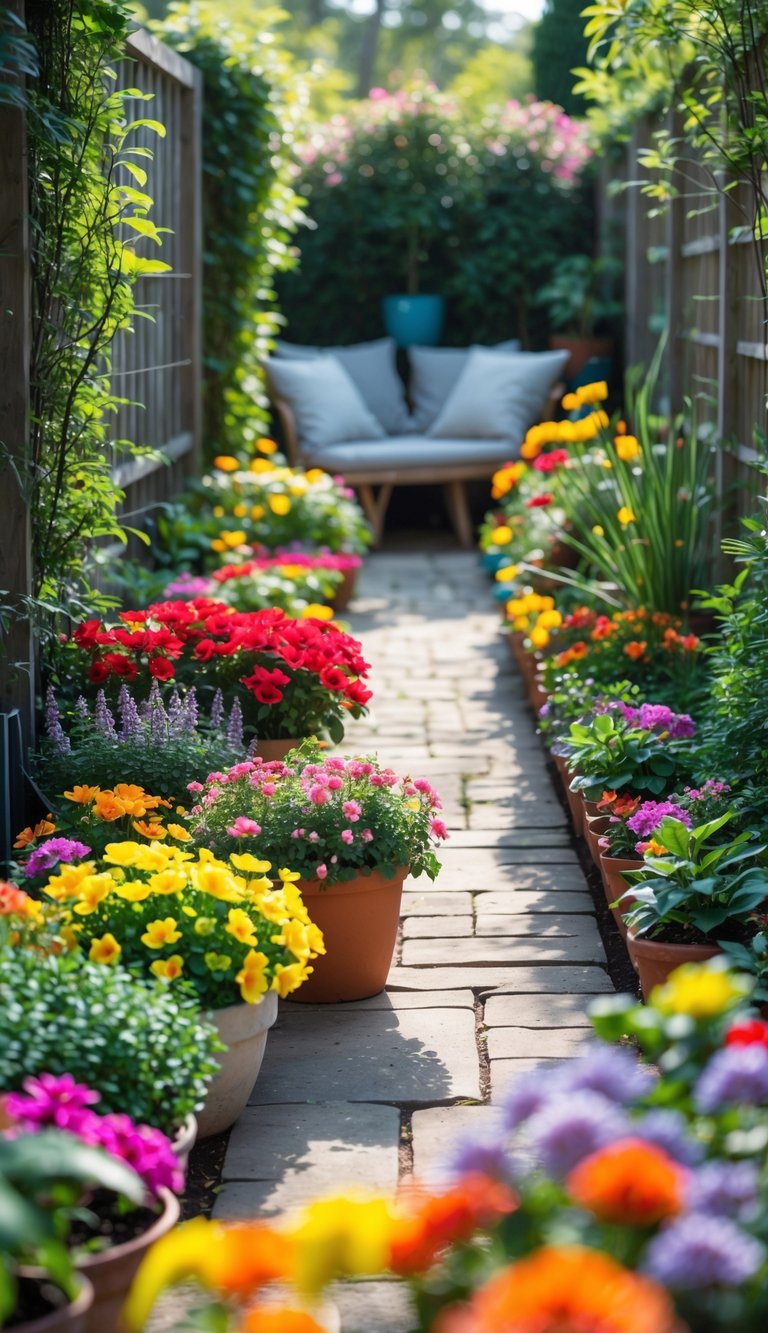
I line my side path with colorful flowerpots to brighten things up. Mixing different sizes and shapes makes it feel cheerful and less rigid. A few pots here and there really do make a difference.
13. Paint the side walls with light-reflecting colors
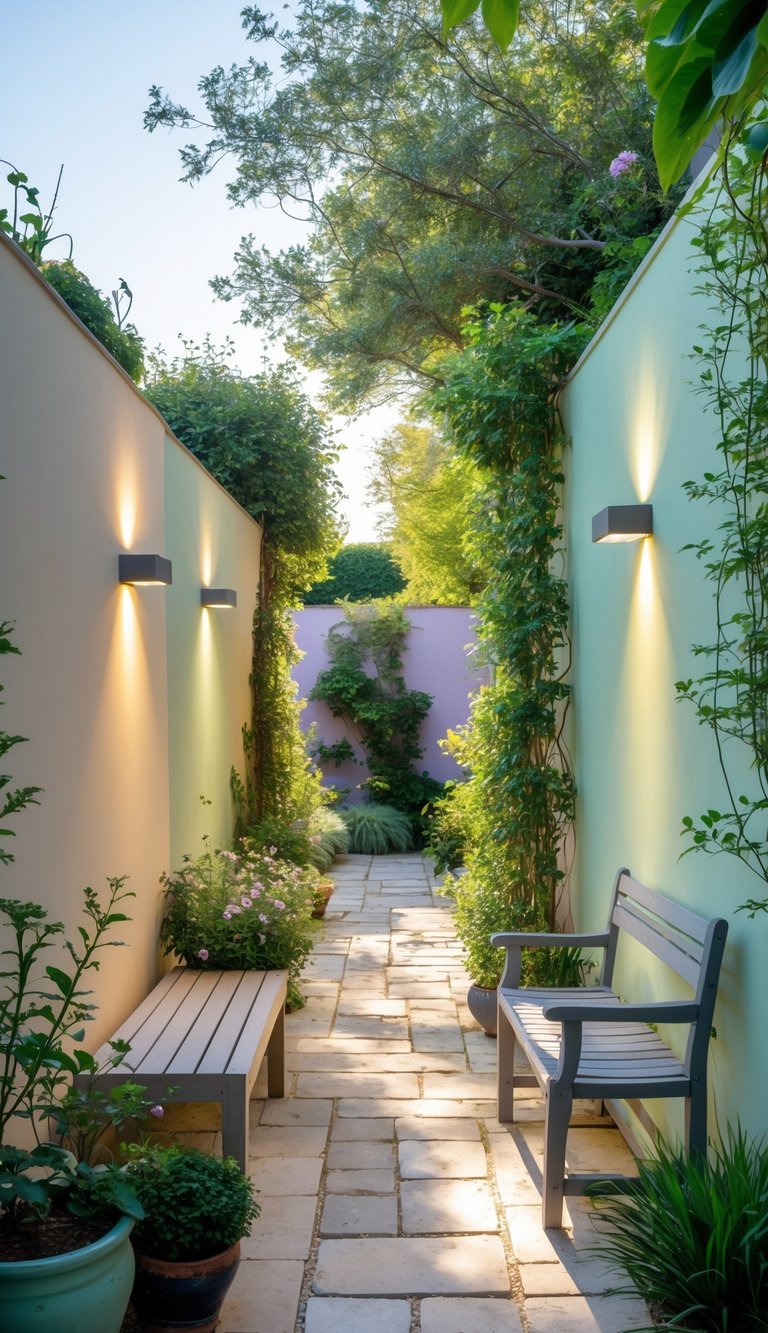
I’ve noticed that painting the walls with light colors—soft whites, pale yellows, or light greys—makes my side return feel way brighter.
These shades bounce sunlight around, so the garden looks more open and fresh. Even a narrow spot can feel a bit more cheerful with lighter paint.
14. Add a slim garden shed for storage
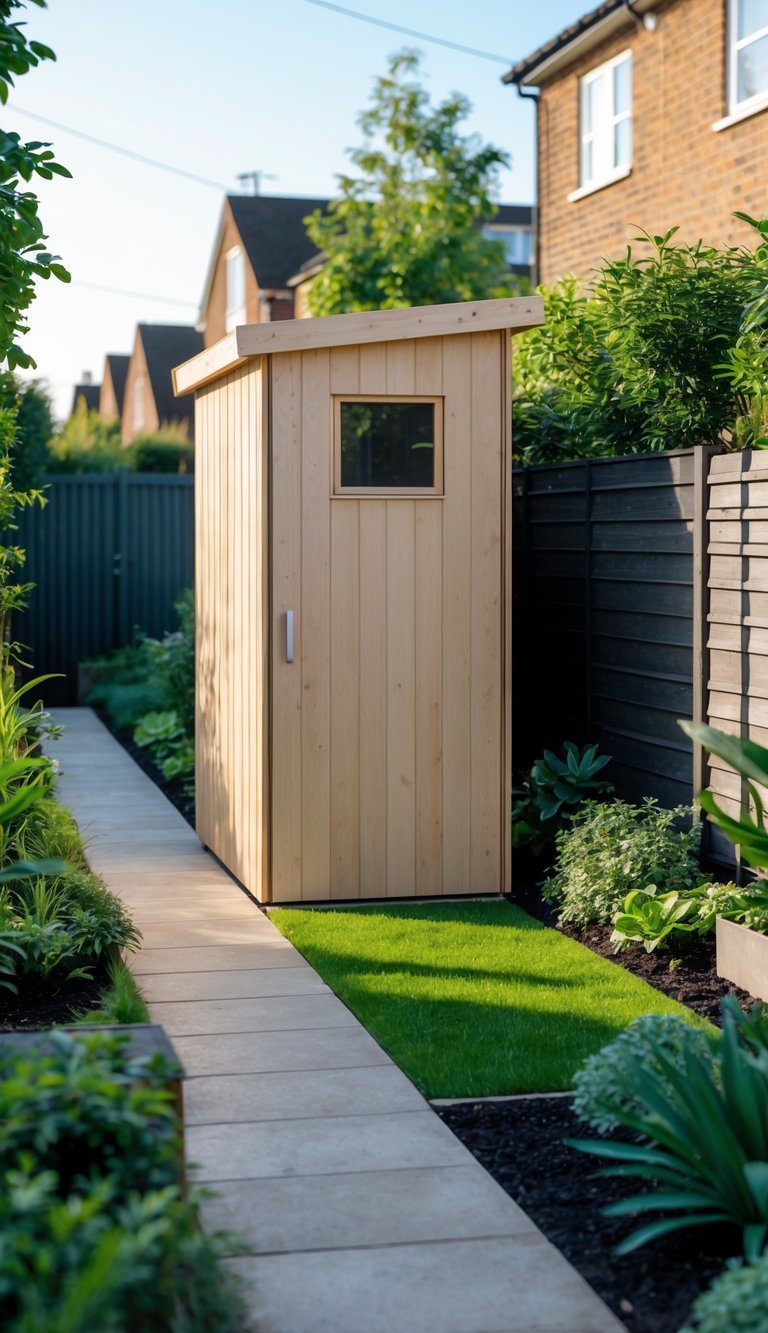
A slim garden shed fits perfectly along the side of the house and doesn’t eat up space. I stash tools, garden supplies, and whatever else needs a home—keeps things tidy and close by.
15. Use a mix of evergreen and seasonal plants
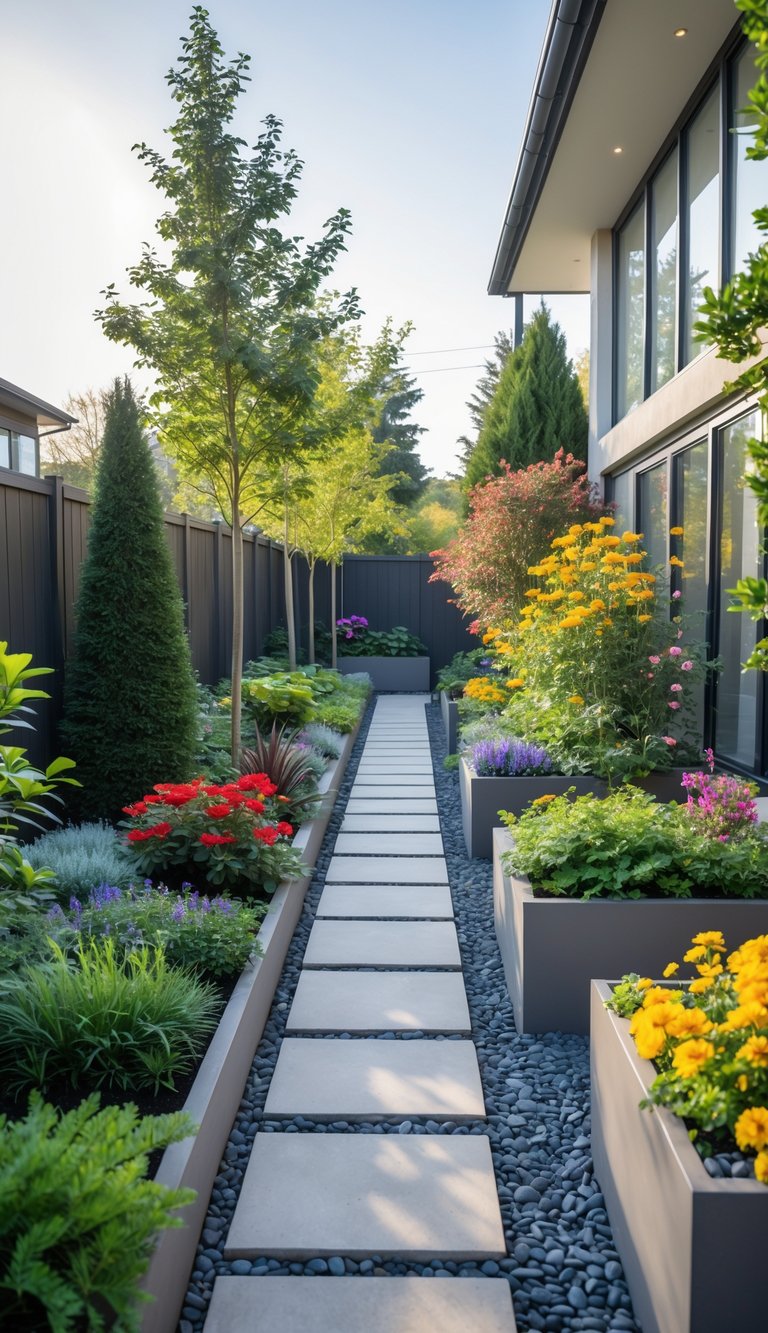
I mix evergreen and seasonal plants in my side return. Evergreens keep things green year-round. Seasonal plants bring fresh color and change up the look as the months go by. It keeps the space from feeling dull.
16. Install a narrow pergola with climbing roses
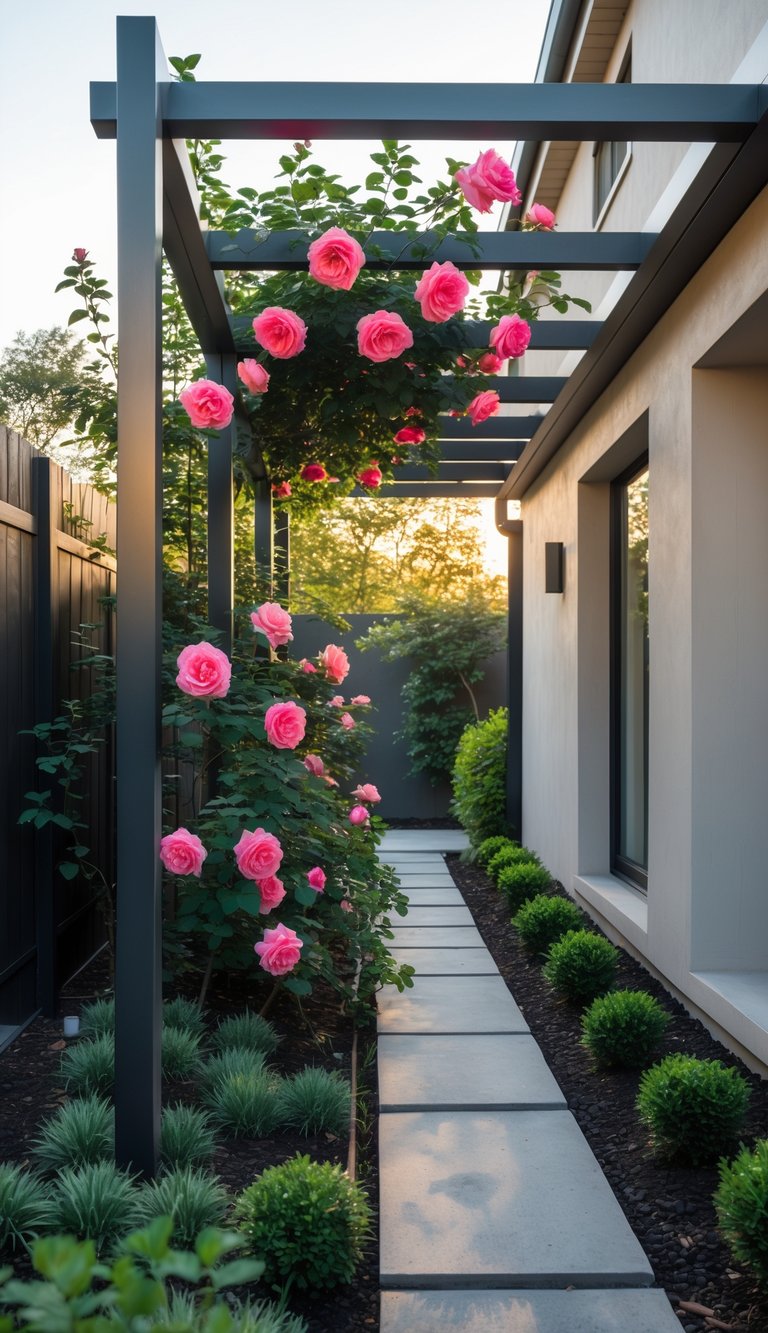
I use a narrow pergola in side return gardens. It adds some height without taking up much width.
Climbing roses up the posts bring color and a gentle scent—makes the walkway feel a bit special, honestly.
17. Create a Zen garden with rocks and sand patterns
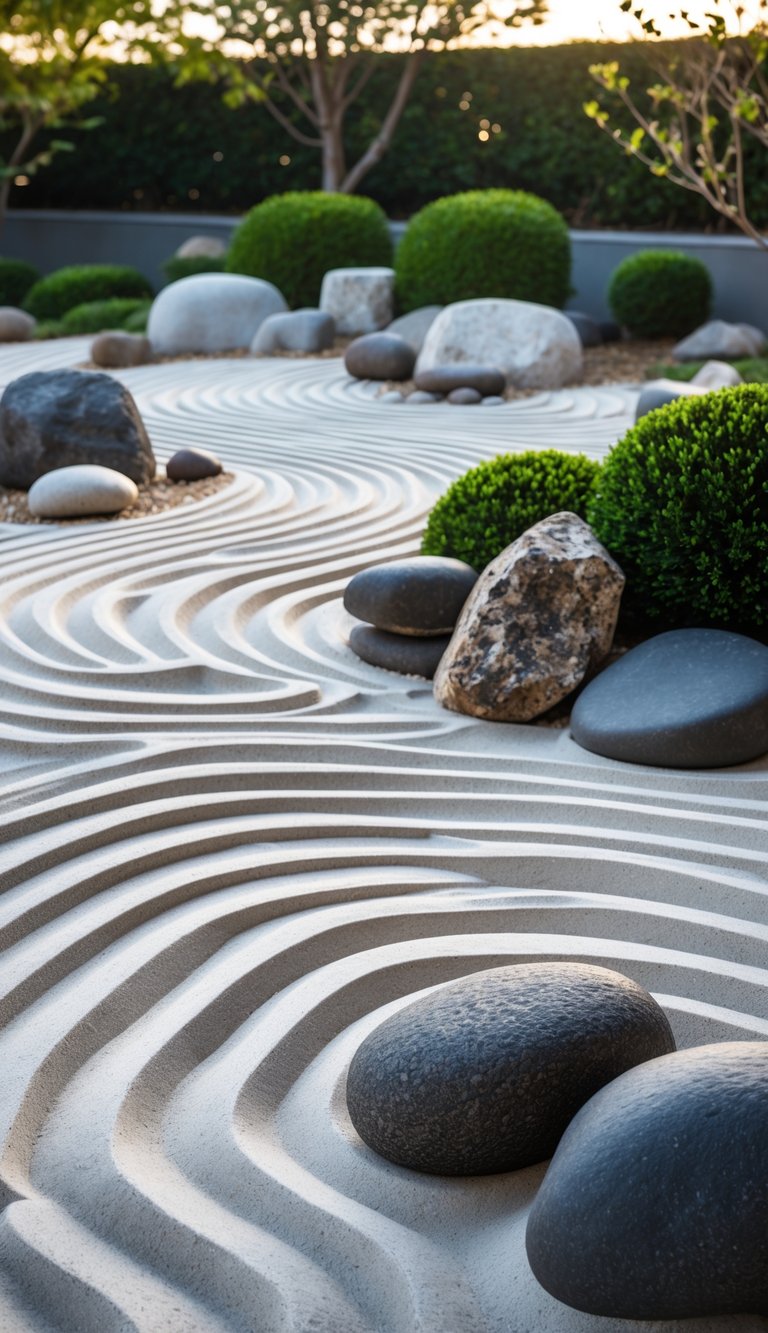
I like a Zen garden with rocks and sand for a side return. I rake sand or fine gravel into simple patterns and place a few big rocks here and there. It’s calming and doesn’t need much upkeep—plus, it just feels peaceful.
18. Use ornamental grasses for movement and texture
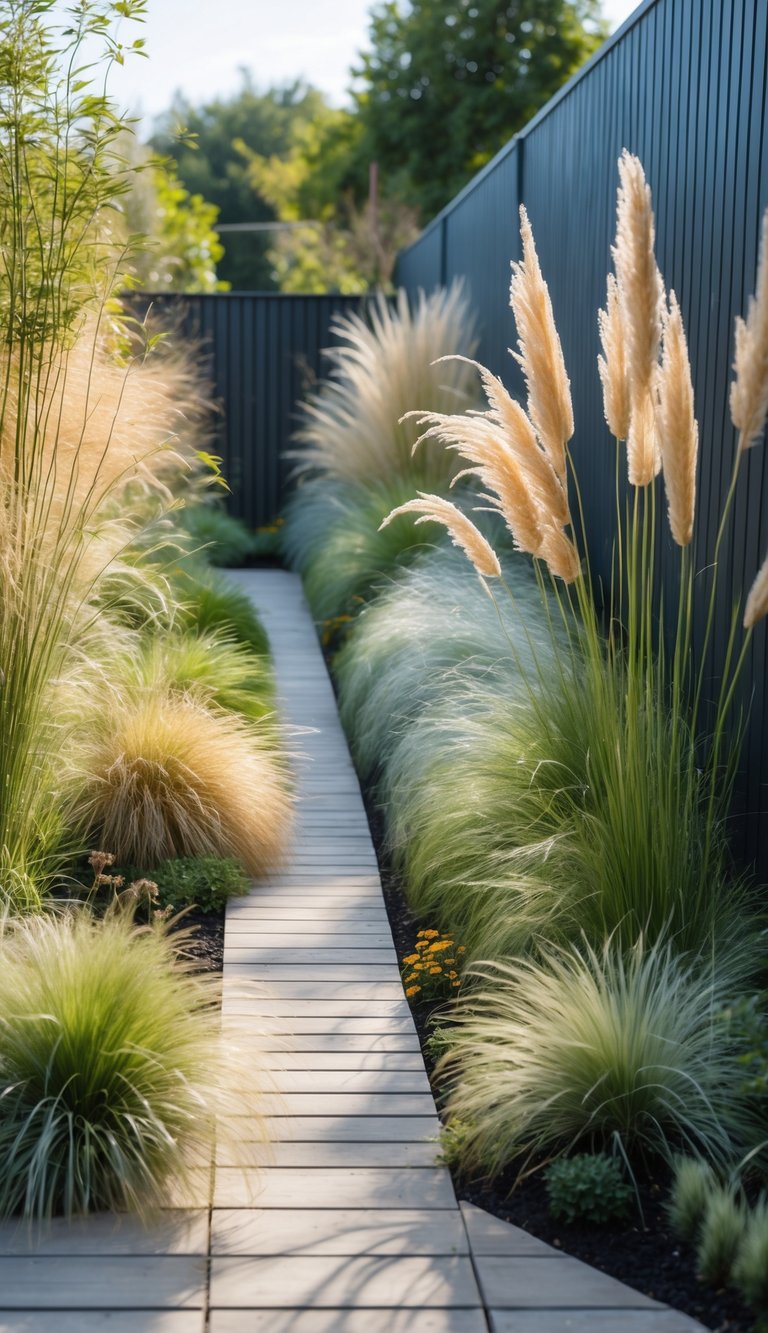
I love adding ornamental grasses to side return gardens—they just bring so much movement and texture. These grasses break up hard lines and soften up the whole vibe. They’re pretty low-maintenance too, and I think they look great mixed in with other plants for a layered effect.
19. Add mirrors on the fence to expand visual space
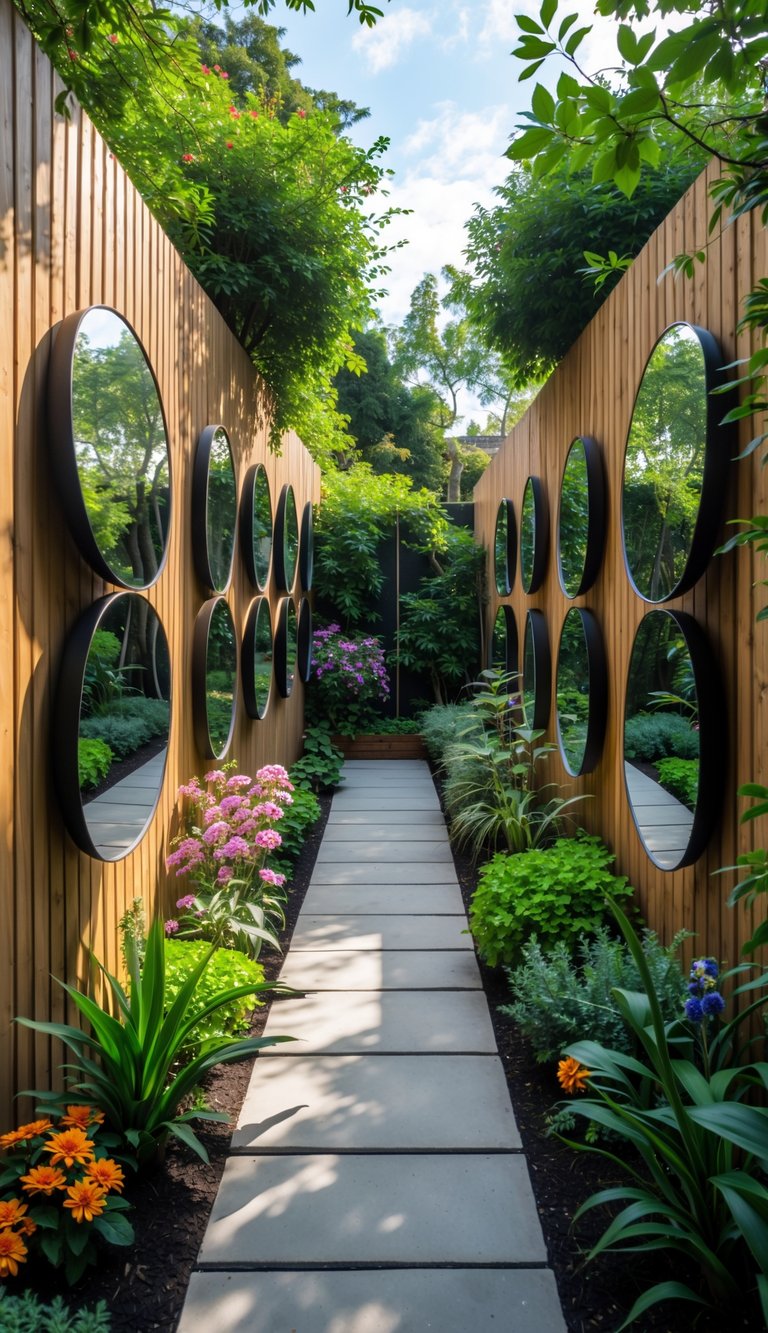
Outdoor mirrors really do the trick if you want a narrow side return to feel wider. I like hanging one on the fence so it reflects the greenery and sky, which brightens things up a lot. It’s such a simple fix, but it makes small gardens seem more open and a lot more inviting.
20. Plant fragrant lavender along the walkway
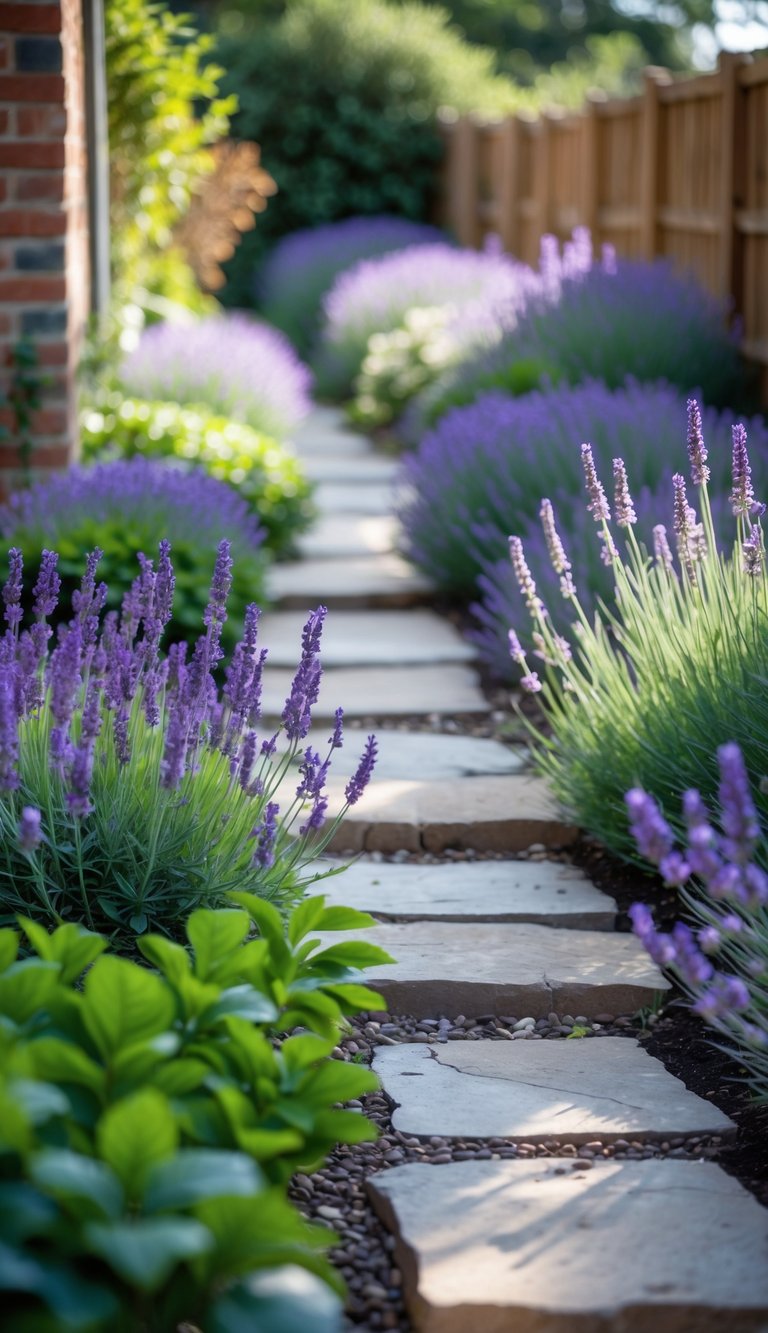
Lavender along the walkway? Always a win in my book. It adds a pop of color and that gentle scent that just makes you want to slow down for a second. Lavender’s easy to keep happy, and it’ll bring in bees and butterflies too.
21. Build a vertical herb garden using wall-mounted containers
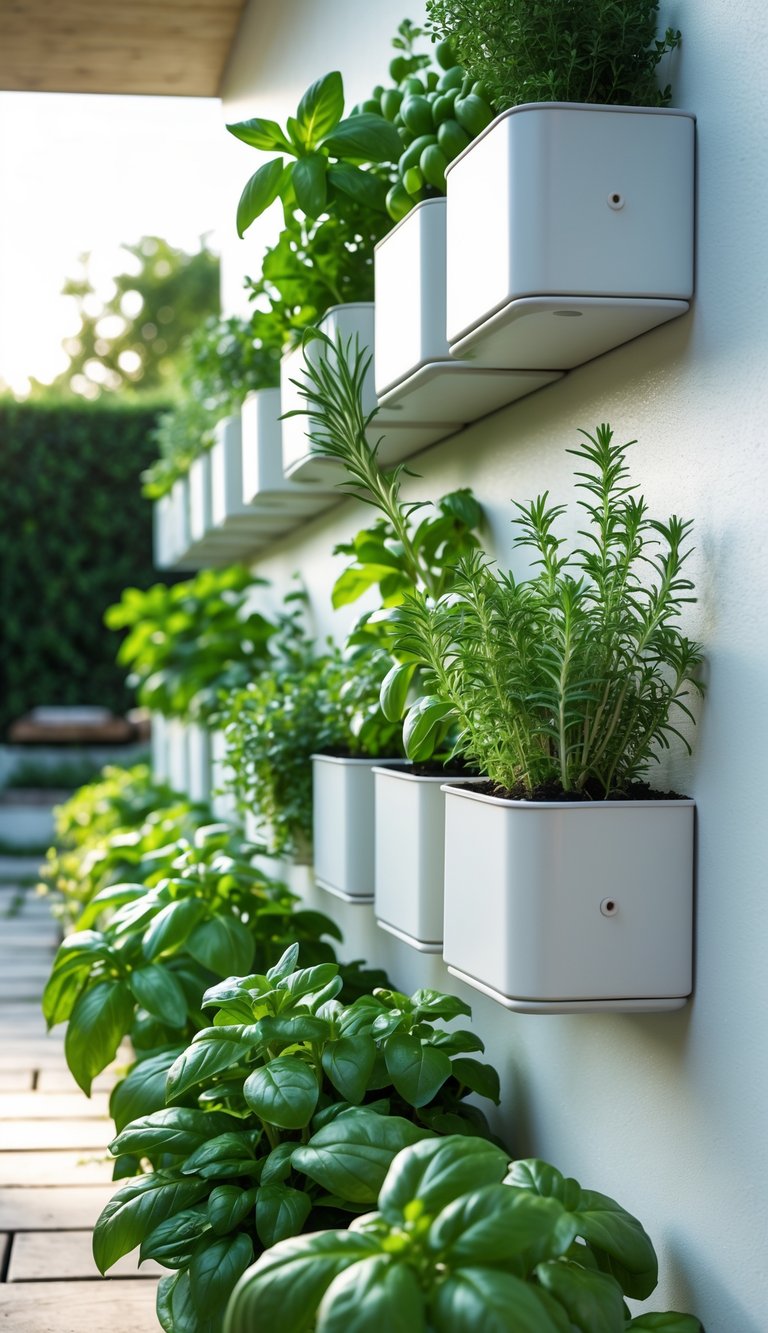
Vertical herb gardens are kind of my go-to for tight side returns. I just attach containers right to the wall and suddenly there’s space for all sorts of herbs. It keeps them close, handy, and out of the way—what’s not to like?
Planning Your Side Return Garden
When I’m planning a side return garden, I pay close attention to how sunlight shifts through the space and what I can actually do with every awkward corner. If I get those details right, the garden just works so much better.
Assessing Light and Shade
Light in a side return is kind of unpredictable—sometimes the house or fences throw shade everywhere. I usually start by watching when the sun actually hits different spots. That way, I can pick plants that’ll survive, whether they want full sun or prefer shade.
Ferns and hostas love hanging out by the walls where it’s shadier. If there’s a patch that gets a bit of sun in the morning or afternoon, I’ll squeeze in some small flowering plants or a few herbs. It’s a bit of a puzzle, honestly.
Lighting tips:
- Mirrors or pale surfaces bounce light around—super helpful.
- String up some solar lights for a cozy glow at night.
- Keep taller plants and features at the back so they don’t hog the light.
Maximizing Limited Space
These side returns are always so narrow, so I have to get creative or it’ll end up feeling cramped. Vertical gardening saves me every time—wall planters or trellises mean I can grow climbers and herbs without losing precious floor space. It leaves just enough room to walk and keeps things lush.
Ideas for using space smartly:
- Fold-down tables or slim benches work for seating.
- Wall racks or tiny cabinets keep tools tidy.
- A simple path—maybe just stepping stones or gravel—keeps it practical.
I try to make every piece do double duty. A bench with planters or hidden storage? Yes, please. Compact, multi-use stuff and planting up instead of out—that’s how I squeeze the most out of even the smallest side return. It’s all about making it practical but still welcoming.
Essential Design Considerations
When I’m figuring out a side return, I have to juggle light, space, and how I’ll actually use it. These narrow, shaded spots can be tricky, but the right choices make them feel surprisingly nice.
Choosing the Right Plants
Light levels are always my first concern when I’m picking plants for a side return. These gardens usually get less sun since they’re tucked between buildings, so I lean toward shade-tolerant plants—ferns, hostas, and hydrangeas are favorites. If it’s really dark, I’ll try evergreen shrubs or ivy for year-round green.
Want a pop of color? Astilbe and foxglove are good for shade. Herbs like mint and parsley don’t mind cool, damp corners either. I usually group plants by height to keep things interesting, and I steer clear of anything that’ll sprawl out and crowd the walkway.
Here’s a quick table that helps me sort out plant choices:
| Light Level | Good Choices |
|---|---|
| Partial | Hostas, Heucheras |
| Full Shade | Ferns, Ivy, Astilbe |
| Damp | Mint, Japanese Anemone |
Incorporating Vertical Features
Vertical features really help a side return feel bigger. I like to use wall-mounted planters, trellises, and slim shelves—they draw your eye up and keep the floor open. Climbing plants like clematis, jasmine, or even climbing hydrangea will soften those tough surfaces and bring in greenery without hogging space.
Sometimes I’ll hang little pots or baskets on fences or brick walls. Vertical gardens let me squeeze in herbs or small veggies if I’m after something practical. I usually pick simple, tough supports that fit my garden’s vibe and can handle damp, chilly corners.
Shelves or narrow benches give me spots for potted plants or a bit of storage, as long as they don’t block the path. Honestly, thinking upwards is the only way I’ve found to make a skinny side return work without turning it into a clutter trap.