



In This Article Show
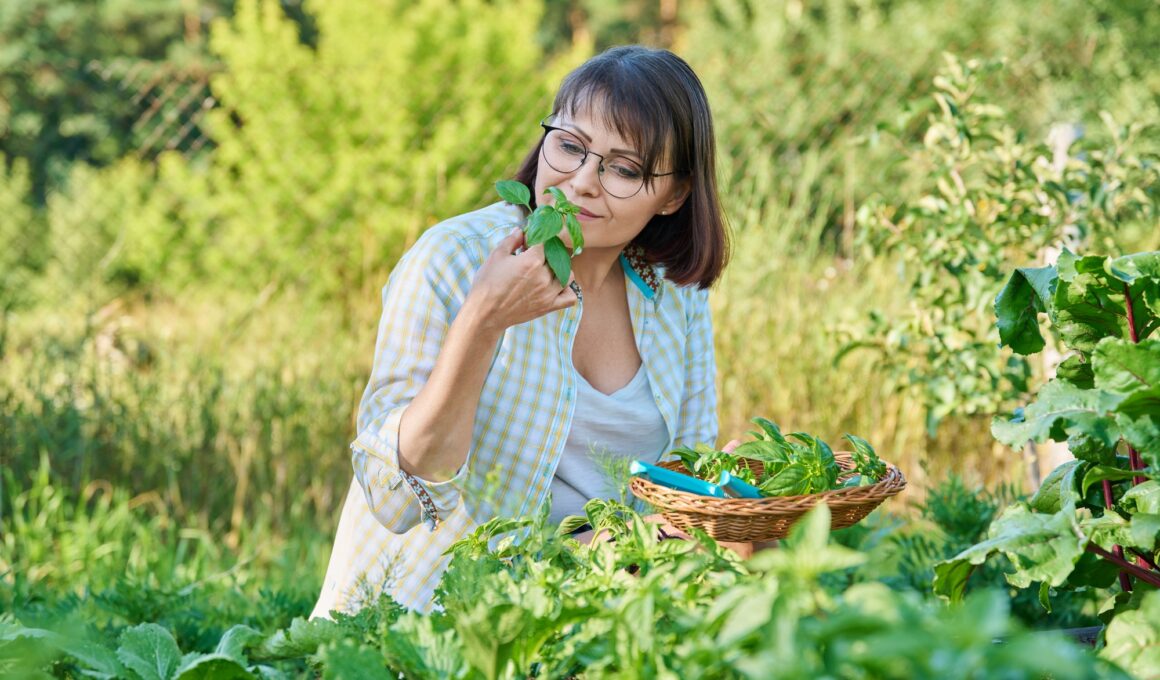
Herbs are one of the easiest and most rewarding plants you can grow at home. I’ve been growing herbs for decades — in garden beds, containers, and even windowsills — and I can tell you there’s nothing quite like having fresh basil, mint, or rosemary right at your fingertips.

Over the years, I’ve learned that while herbs are fairly low-maintenance, certain things can make them grow bigger, healthier, and way more flavorful. Out of all my years of experience, Secret #6 has made the biggest difference in how my herbs look, taste, and smell.
Proper pruning and harvesting can completely change how full and healthy your herb plants become. I’ll break that down fully — along with eight other simple secrets to help you grow healthy herbs at home.
Secret #1: Choose the Right Herbs for Your Space

Herbs need the right environment to thrive. Early on, I made the mistake of planting every herb I liked without thinking about sunlight, space, or growing conditions.
Here’s what I do now:
- For full sun: Basil, rosemary, thyme, oregano, and sage
- For part shade: Parsley, cilantro, chives, and mint
- For containers: Smaller herbs like thyme, basil, or mint
Choosing herbs based on your available space and light gives them the best chance to grow strong and healthy.
Secret #2: Use Loose, Well-Draining Soil

Herbs don’t like heavy or soggy soil. I always plant them in loose, fertile soil that drains well. Before planting, I mix compost into the soil to improve texture and add nutrients.
For potted herbs, I use a good-quality potting mix with some sand or perlite mixed in for better drainage. Healthy roots lead to stronger, more productive herbs.
Secret #3: Plant Herbs in Full Sun When Possible

Most herbs need at least 6 hours of sunlight per day to develop their best flavor and scent. I always plant mine where they’ll get full sun — or I grow them in containers so I can move them to follow the sun throughout the day.
If growing indoors, place herbs near a sunny window or use a grow light to give them enough energy.
Secret #4: Water Consistently but Avoid Overwatering

Herbs prefer steady moisture, but wet roots lead to disease and poor growth. I water my herbs when the top inch of soil feels dry — usually every few days in warm weather.
For potted herbs, make sure containers have drainage holes so excess water can escape. Herbs like rosemary and thyme prefer slightly drier soil, while basil and mint enjoy a bit more moisture.
Secret #5: Use Organic Fertilizer Sparingly
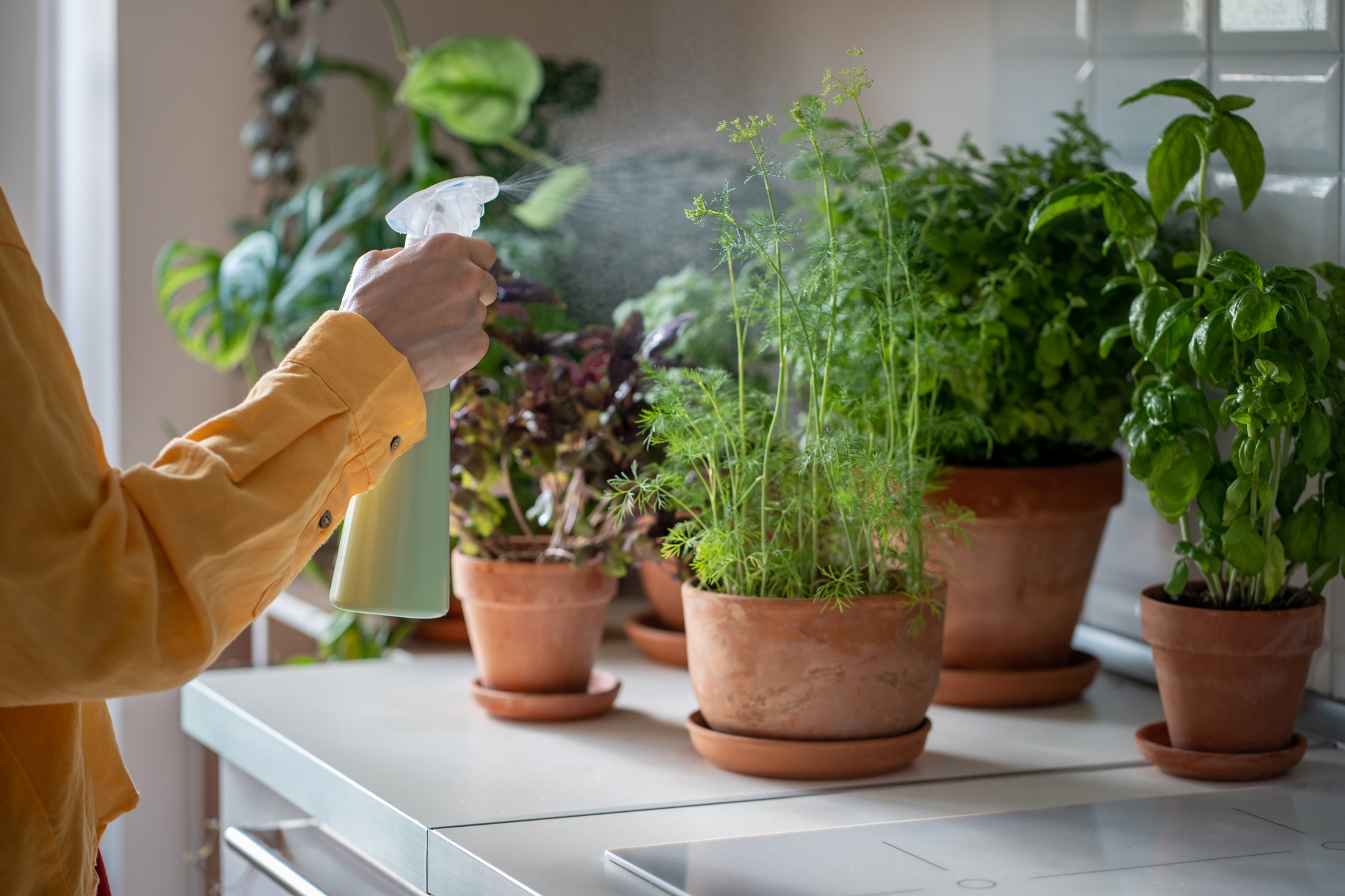
Herbs don’t need heavy feeding like vegetables do. I mix compost into the soil before planting and feed lightly every 4-6 weeks using an organic liquid fertilizer like fish emulsion or compost tea.
Too much fertilizer can lead to fast growth with less flavor. Feeding lightly encourages healthy, flavorful leaves.
Secret #6: Prune and Harvest Often for Fuller Plants (Most Important!)

This is the biggest secret I’ve learned over the years — pruning herbs properly makes all the difference between spindly plants and full, healthy ones.
Here’s exactly how I prune my herbs for the best results:
- Pinch Above a Leaf Node: Always cut or pinch stems just above a pair of leaves. This signals the plant to branch out and grow more.
- Harvest Often: I harvest my herbs once they reach 6-8 inches tall, taking the outer leaves first and leaving the inner growth to develop.
- Prevent Flowering: Once herbs flower, they put their energy into seeds, not leaves. I always pinch off flower buds to keep the plant producing fresh, flavorful leaves.
- Use Sharp Scissors or Fingers: Clean cuts help plants heal faster and prevent disease.
Since I started pruning regularly and properly, my herbs have grown fuller, healthier, and far more productive — giving me fresh leaves all season long.
Secret #7: Mulch Outdoor Herbs to Keep Soil Moist

In my garden beds, I like to use a thin layer of mulch around my herbs to help hold moisture and keep weeds down. I use straw, shredded leaves, or even grass clippings.
Mulching also helps regulate soil temperature, keeping herbs happier during hot summer days.
Secret #8: Grow Herbs in Containers for Flexibility

Herbs grow beautifully in containers — and pots let you move them around for better sunlight or protect them from bad weather. I always recommend using containers for herbs like mint (which can spread quickly) or for small-space gardeners.
Just make sure containers have good drainage and are large enough to allow for root growth.
Secret #9: Watch for Pests and Keep Plants Clean

While herbs are generally pest-resistant, I still check mine regularly for aphids, spider mites, or caterpillars.
If I see pests, I spray the plants with a strong jet of water or use insecticidal soap if needed. Keeping plants clean, well-spaced, and properly pruned also helps prevent pests from becoming a problem.