





In This Article Show
Poor garden drainage can turn your outdoor space into a muddy mess and damage your plants, foundation, and landscaping. Standing water creates problems like root rot, mold growth, and even structural issues for your home.

The good news is that you can solve most drainage problems without spending a fortune or hiring professionals.
Simple solutions like redirecting water flow, improving soil absorption, and creating natural drainage features can transform your soggy yard into a healthy garden space.
1. Install a French drain using perforated PVC pipe and gravel
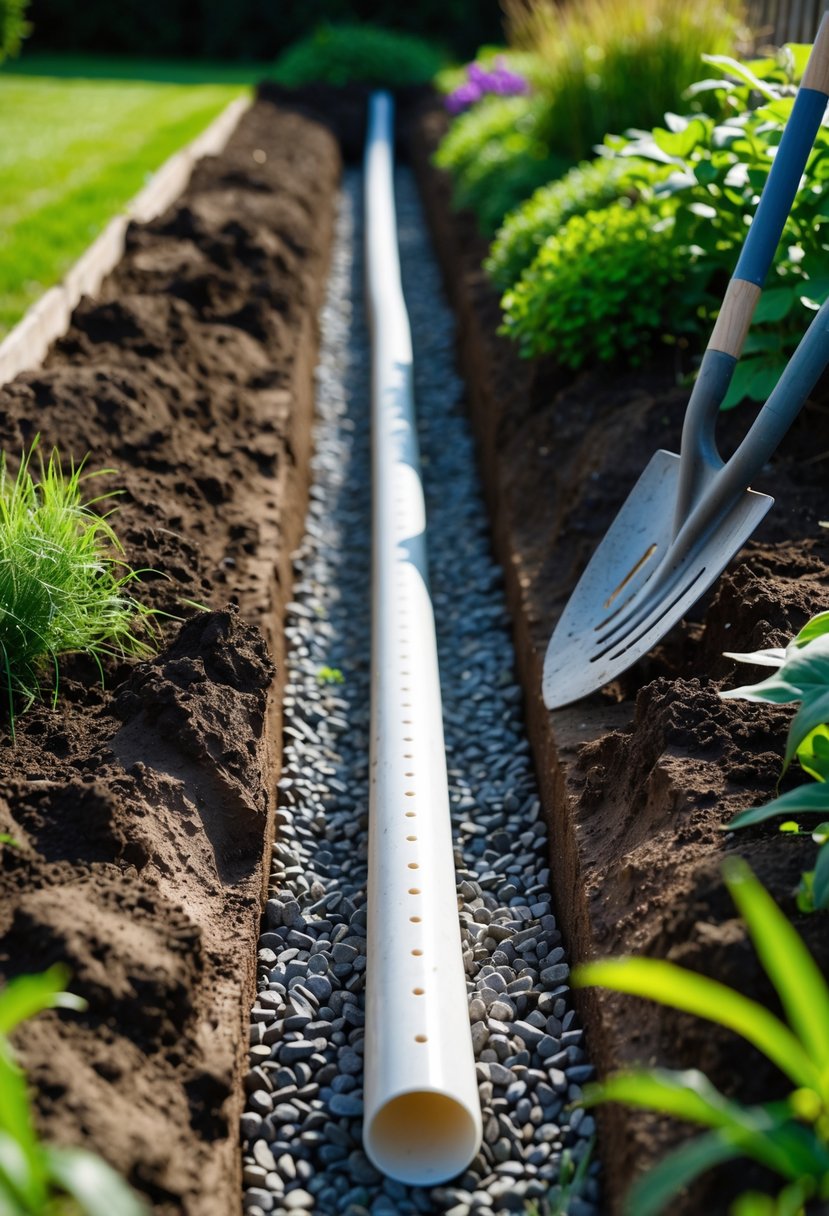
I dig a trench where water collects. I place perforated PVC pipe inside with holes facing down.
I cover the pipe with gravel. This redirects water away from problem areas effectively.
2. Grade the yard to slope away from the house
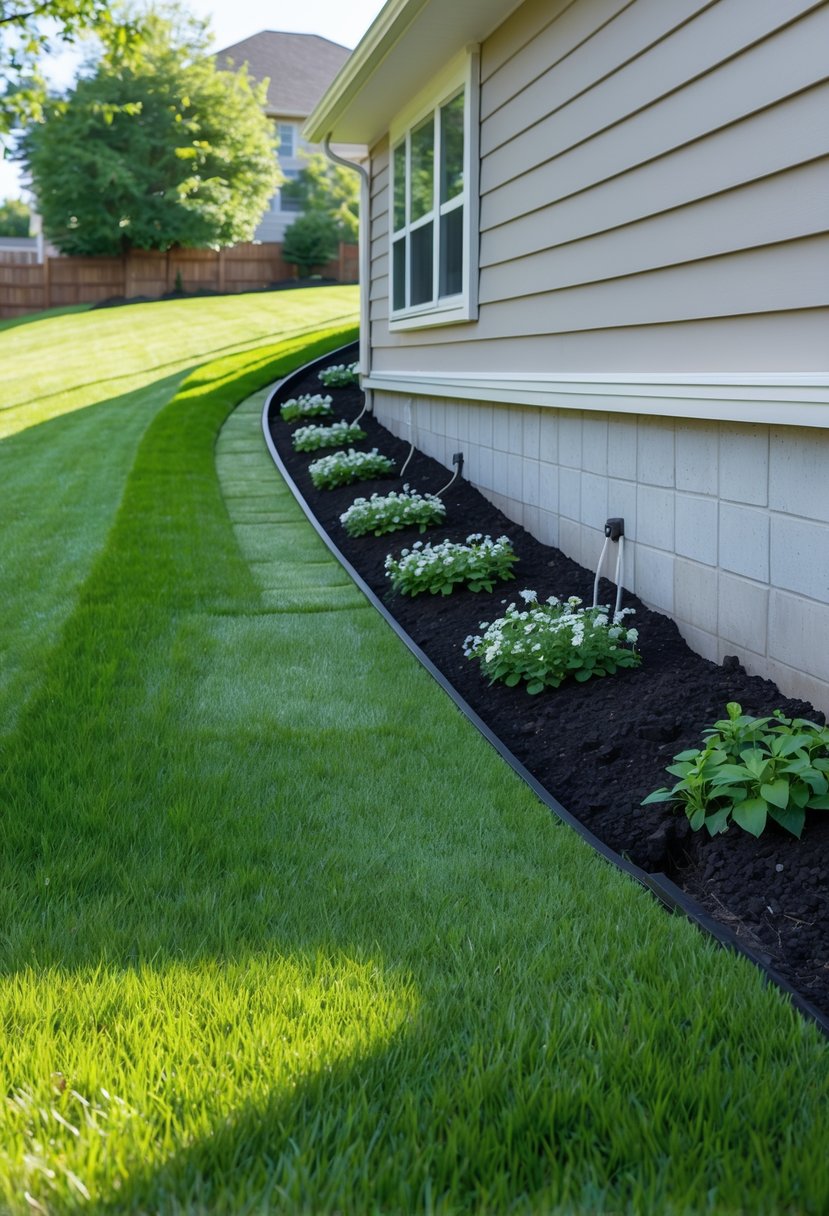
I recommend creating a slope of at least two percent away from your foundation. This means the ground drops one-quarter inch for every foot of distance.
You can add dirt near your house and slope it downward. This prevents water from pooling against your foundation.
3. Create a dry creek bed with river rocks
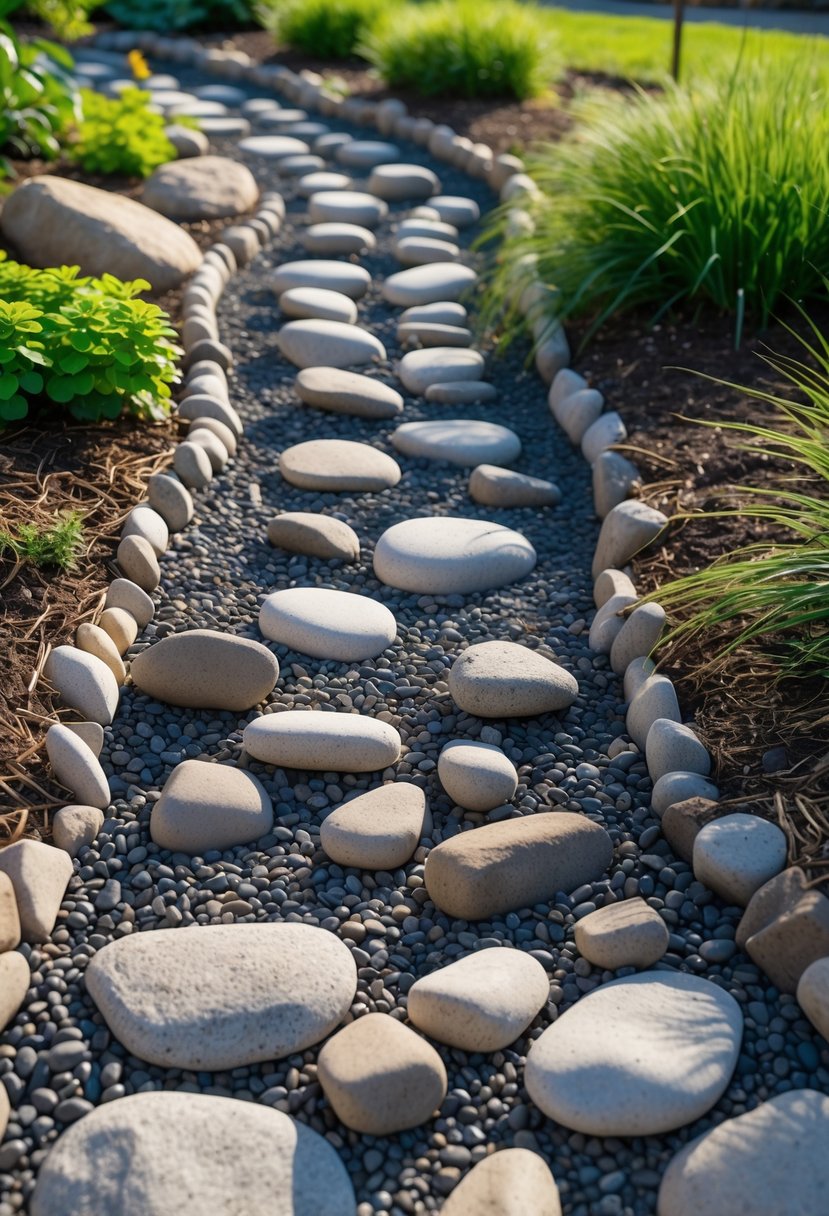
I recommend building a dry creek bed to manage water drainage in my yard. This solution uses rocks, gravel, and pebbles arranged like a natural stream.
The design redirects rainwater and prevents puddles from forming.
4. Aerate compacted soil to improve water absorption
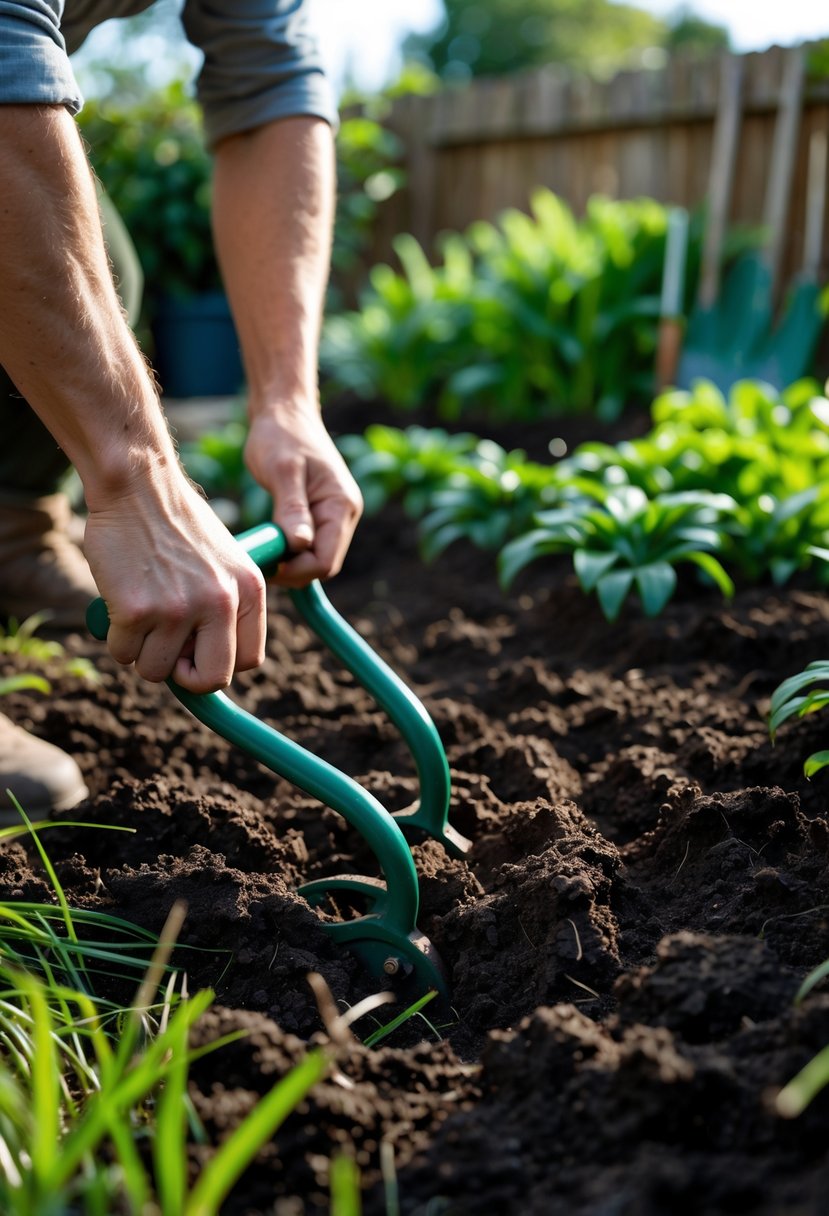
I aerate my compacted soil to help water soak in better. Hard, packed dirt blocks water from reaching plant roots.
I use a garden fork to poke holes throughout problem areas. This creates space for air and water to move through the soil.
5. Build a rain garden with native moisture-loving plants
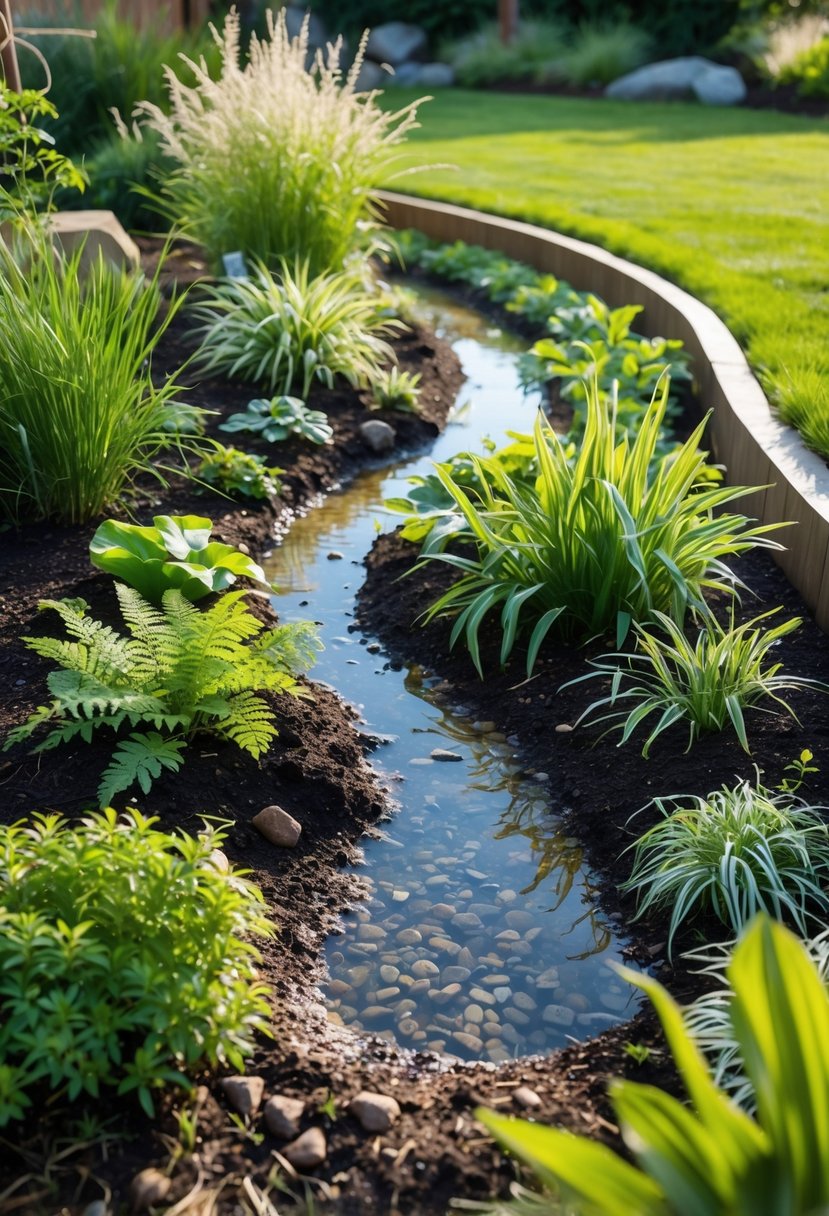
I recommend creating a shallow depression in your yard to capture rainwater runoff. This natural solution uses native plants that thrive in wet conditions.
Rain gardens filter water naturally while preventing flooding and soil erosion in problem areas.
6. Extend downspouts away from the foundation
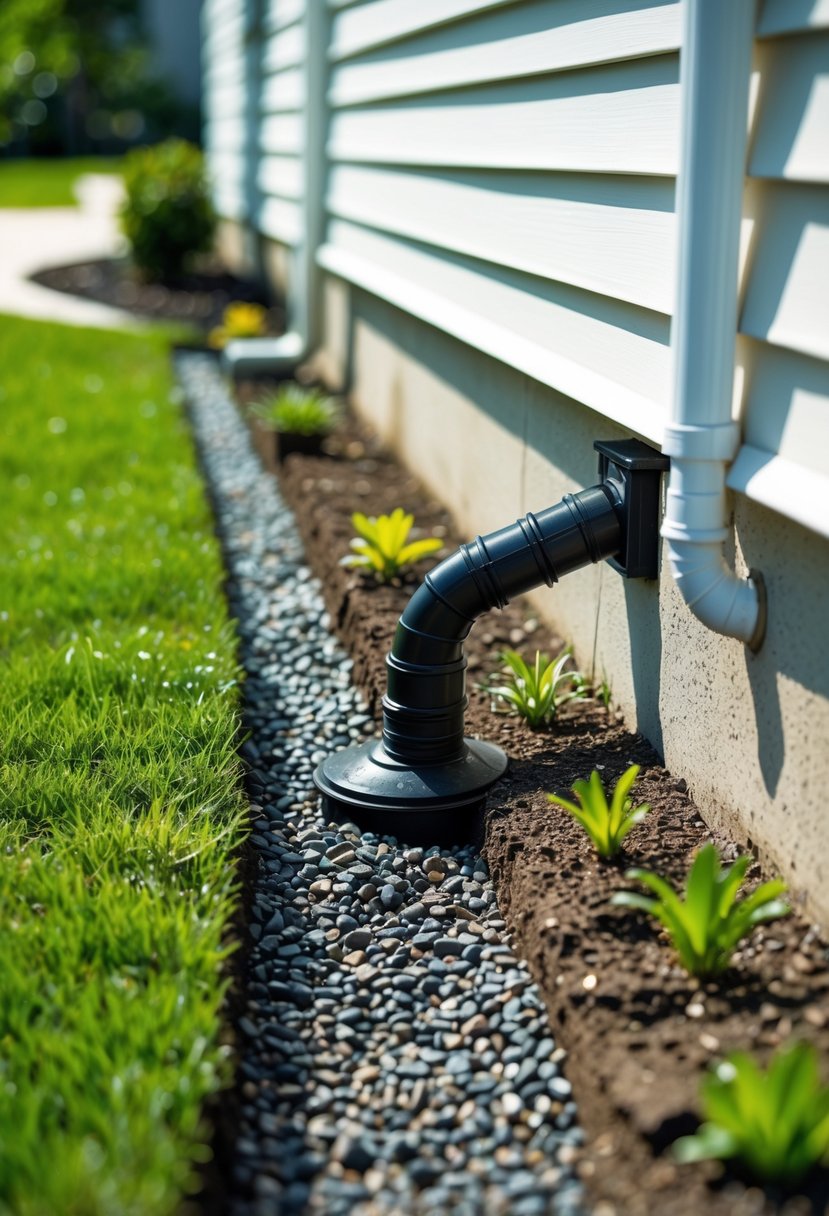
I recommend extending your downspouts at least 4 feet from your home’s foundation. This simple fix prevents water from pooling near your house and causing basement flooding or foundation damage.
Aluminum extensions are cheap and easy to install. They attach directly to existing downspouts and redirect water away from your home.
7. Add a layer of pea gravel around problem areas
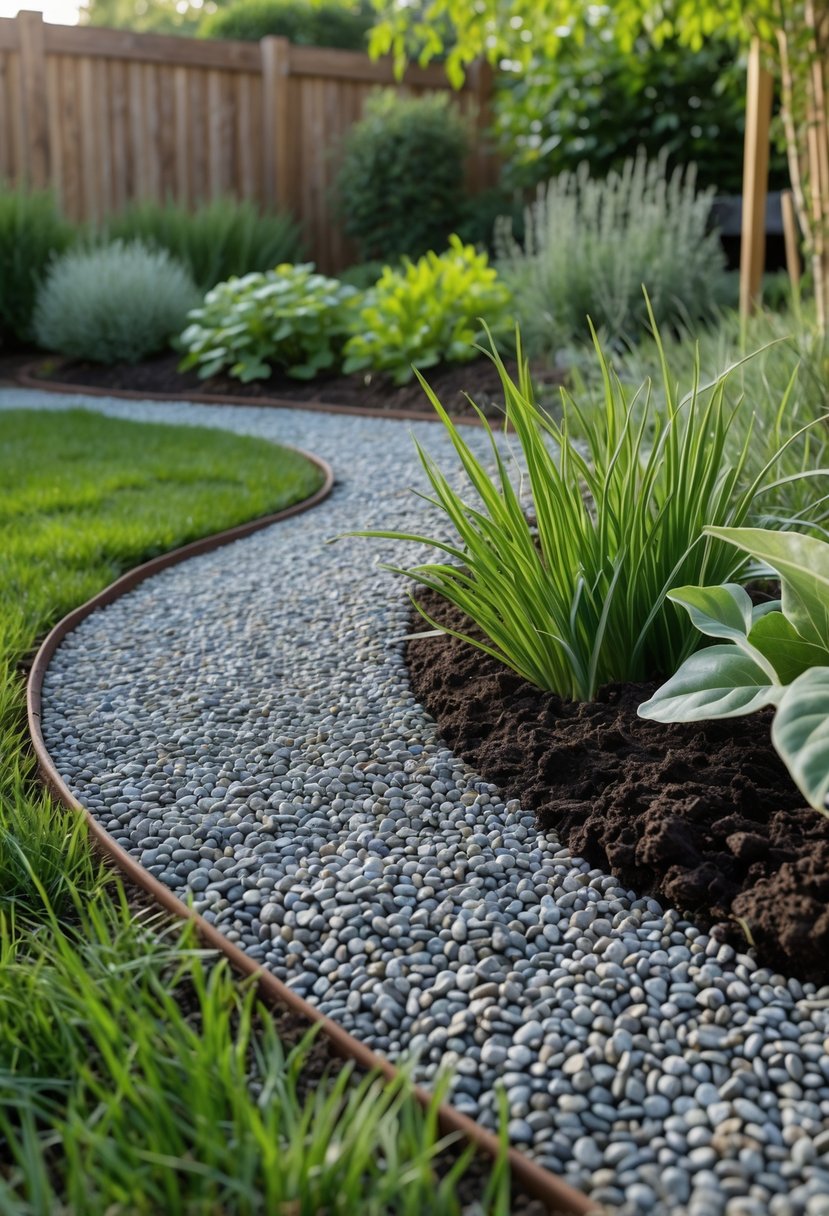
I use pea gravel to fix drainage issues in wet spots around my yard. The small stones let water flow through easily while preventing mud.
I spread a 2-3 inch layer directly over soggy areas. This creates better drainage and stops water from pooling.
8. Construct a swale to direct water flow
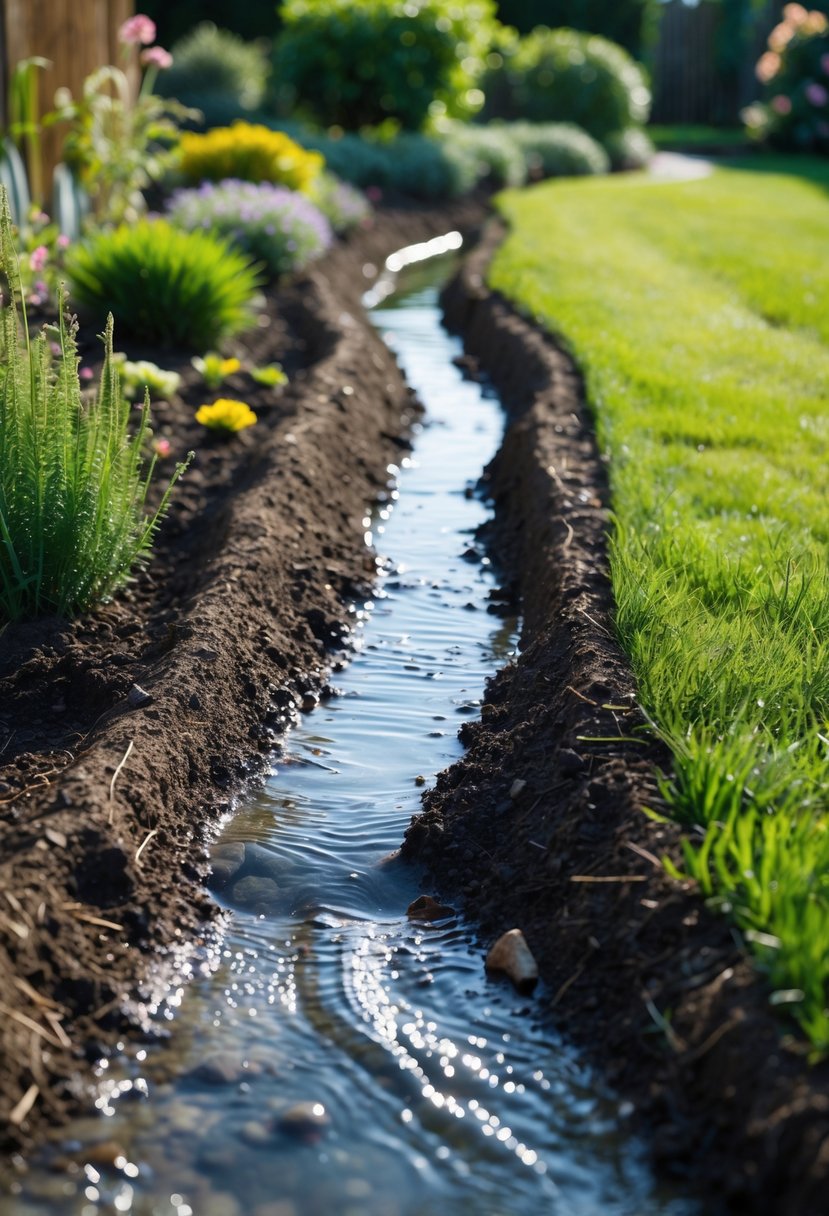
I dig a shallow ditch that follows my yard’s natural slope. This channels rainwater away from problem areas.
I build a small berm on the downhill side using the dirt I removed. This helps slow water flow.
I plant grass or other vegetation along the swale banks. The roots hold soil in place and prevent erosion.
9. Use rain barrels to collect and redirect roof runoff
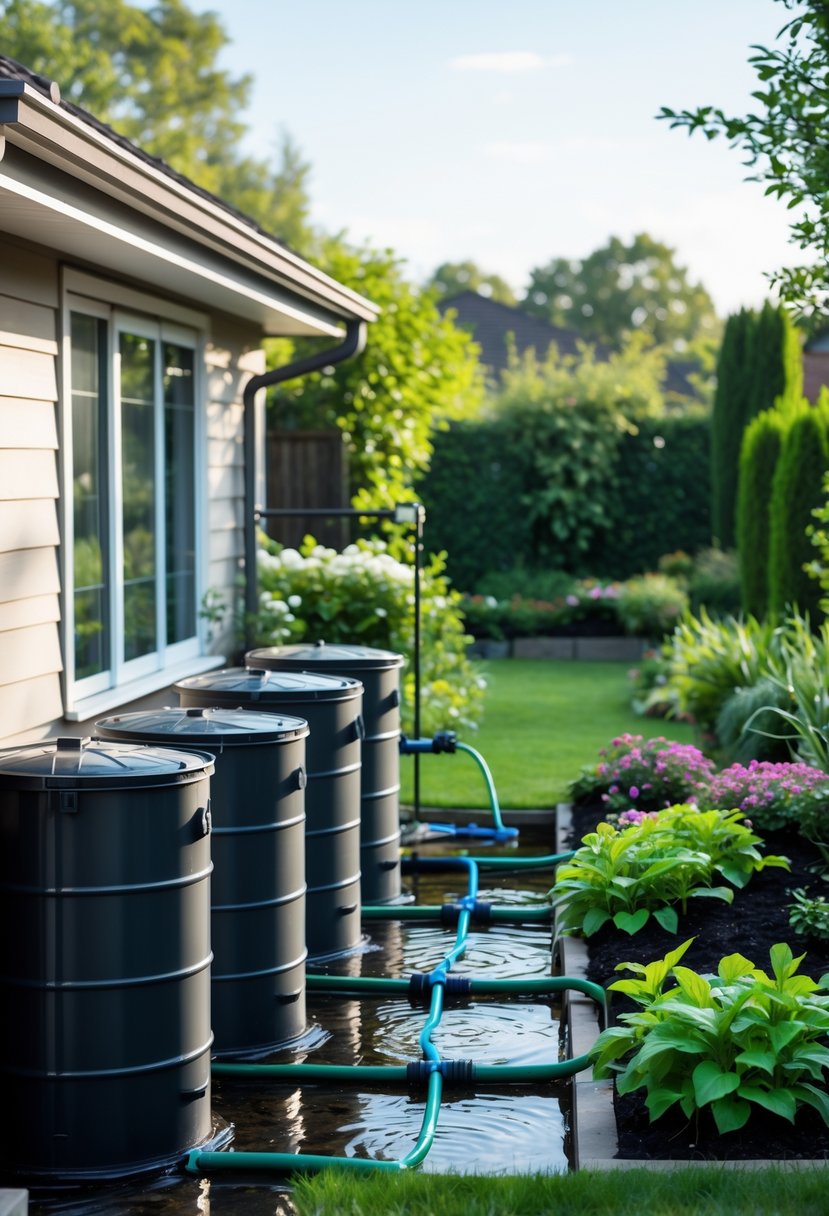
I recommend placing rain barrels under downspouts to catch water from your roof. This method collects runoff before it can pool around your foundation.
Rain barrels cost less than most drainage systems. You can buy them ready-made or build your own from large containers.
10. Build up low spots with soil to improve drainage
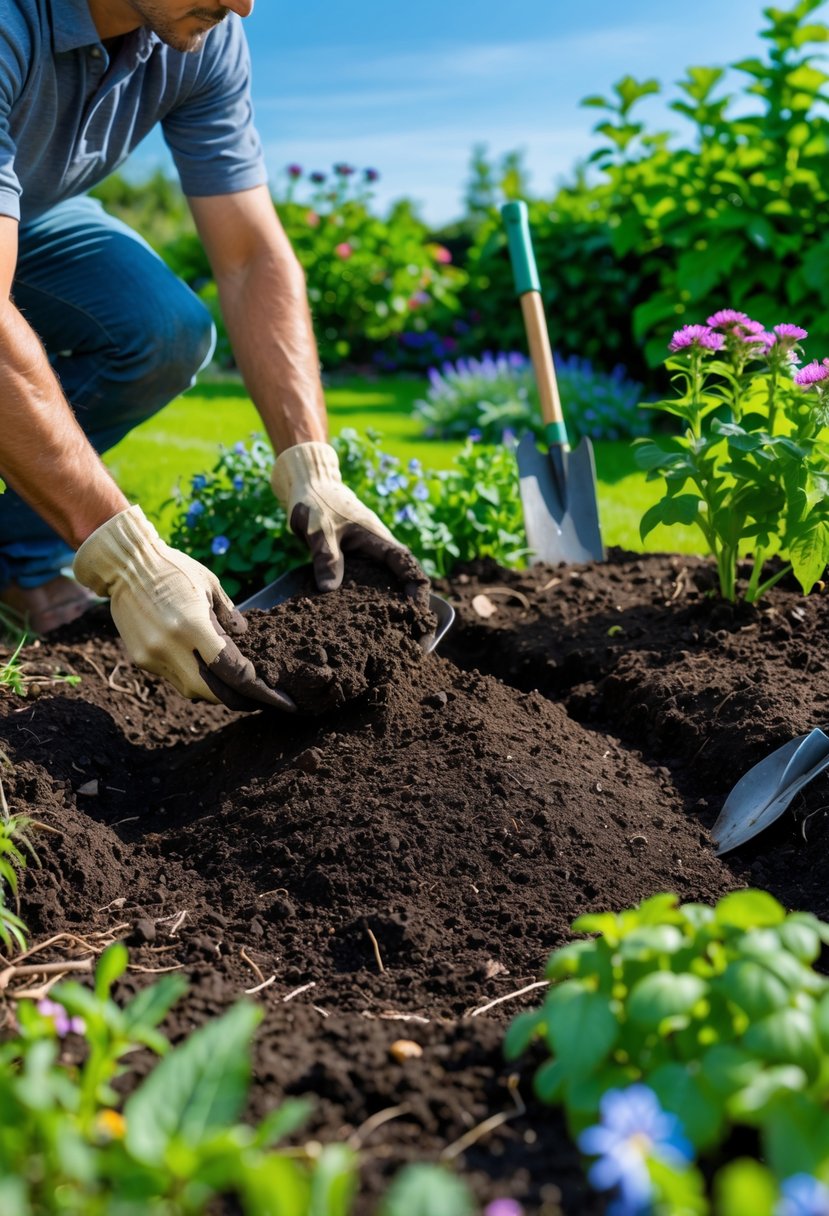
I fix low areas in my yard by adding a soil mixture. I combine topsoil, sand, and compost for best results.
I spread the mixture in thin layers of 1-2 inches. This prevents grass suffocation while raising the ground level gradually.
11. Plant deep-rooted grasses to help absorb water
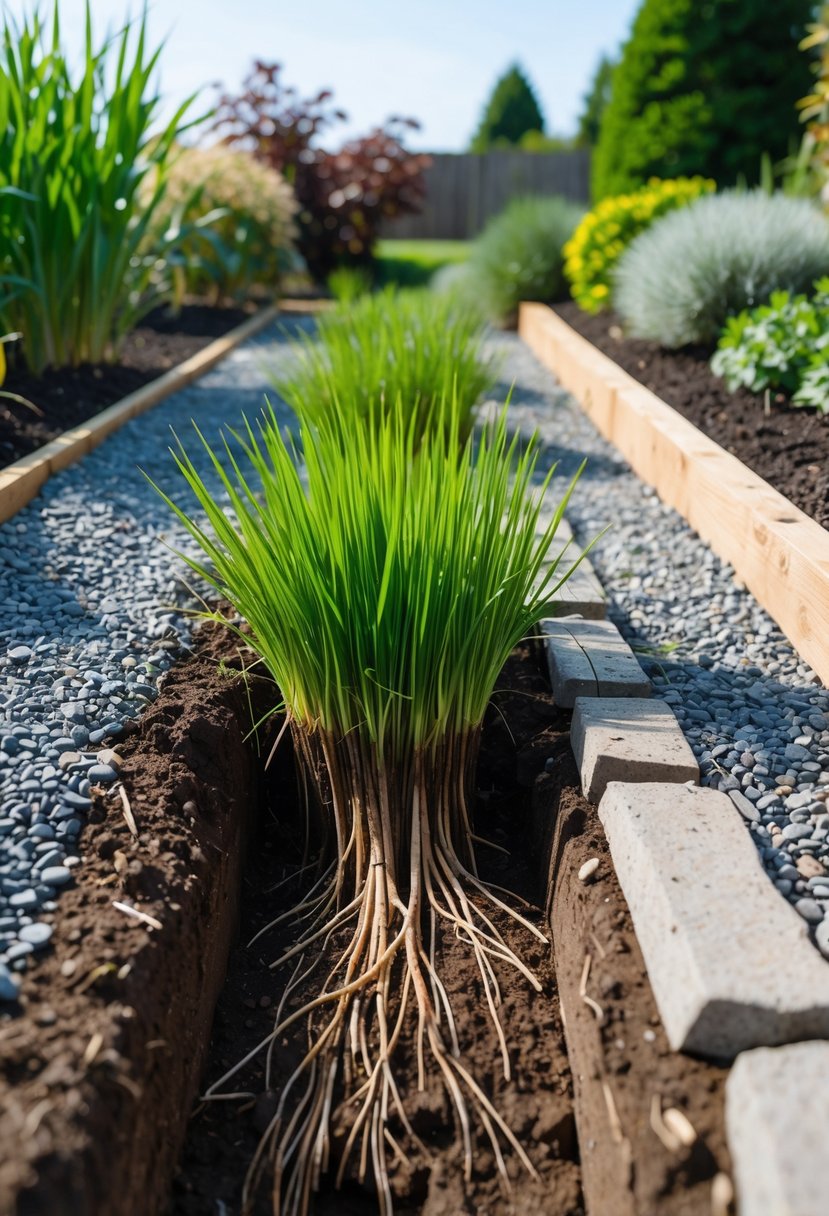
I recommend planting grasses with deep root systems to naturally improve drainage. These roots reach far into the soil layers to soak up excess moisture.
Bermuda grass works well in warm areas. It has deep roots and absorbs water quickly from wet soil.
12. Add garden terraces to slow runoff on slopes
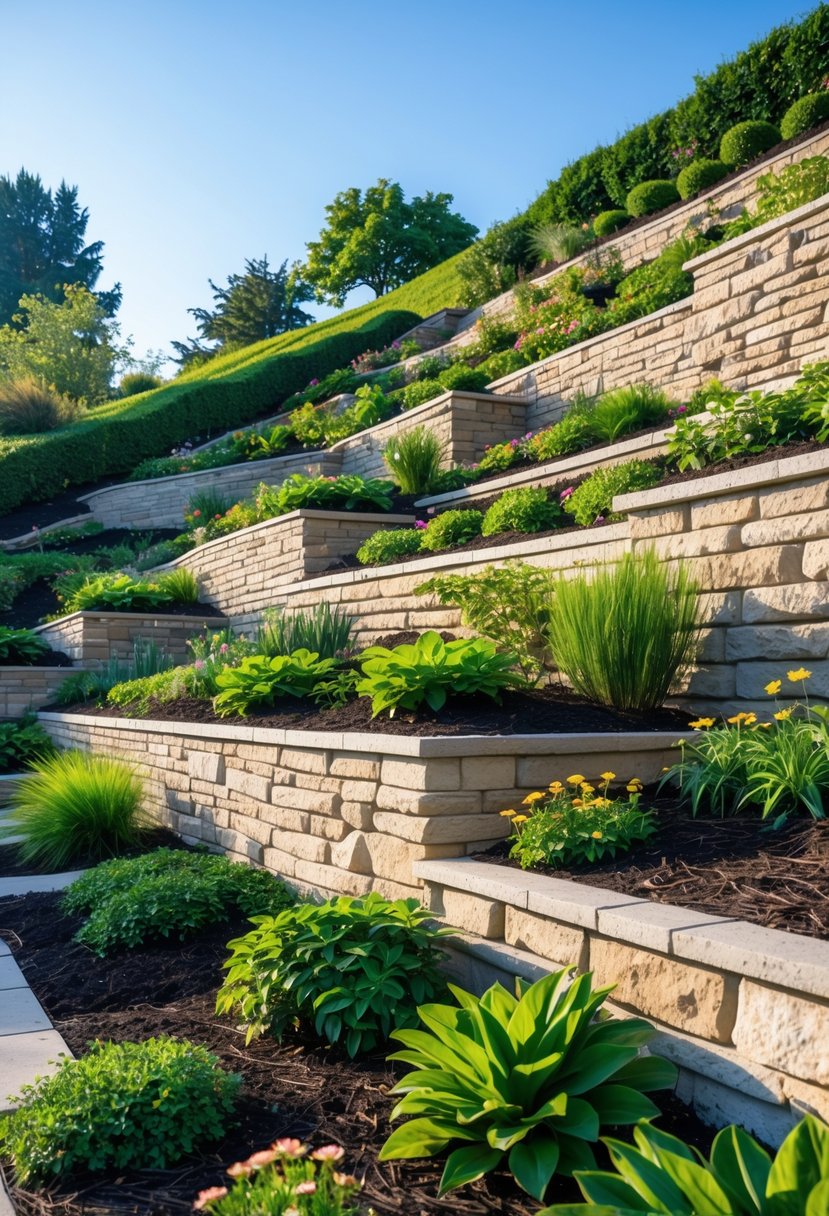
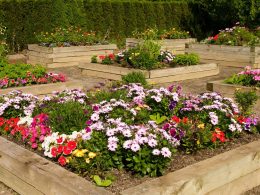
I recommend building terraced garden beds on sloped areas. These create flat platforms that catch and slow water flow.
Terraces prevent soil erosion by breaking up steep slopes. Water moves slower across each level instead of rushing downhill.
Build terraces using rocks, wood, or concrete blocks. Make each level slightly angled back for better drainage and stability.
13. Create a berm to divert water away
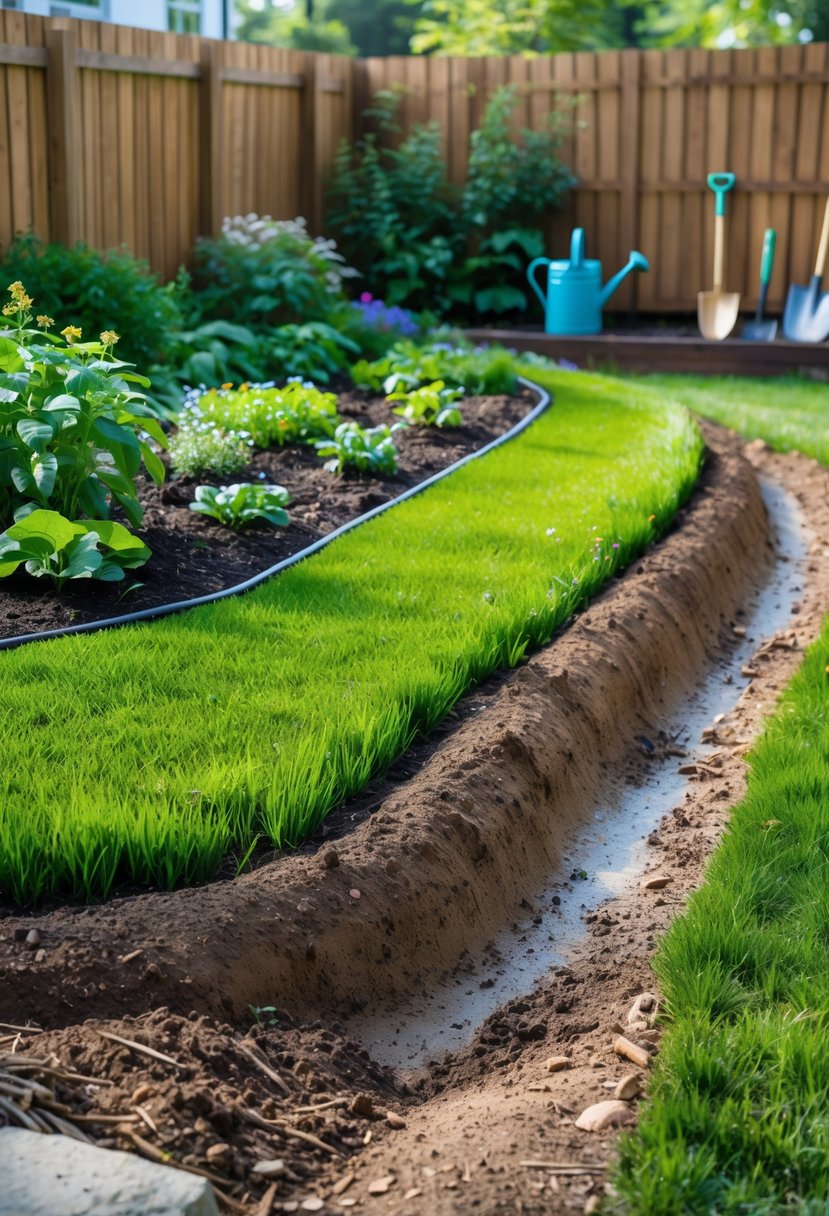
I build berms by making mounds of soil that slope away from problem areas. These raised areas redirect water flow naturally.
I start by finding where water pools in my yard. Then I pile soil to create a gentle slope that guides water away from plants or buildings.
14. Use permeable mulch like bark or compost
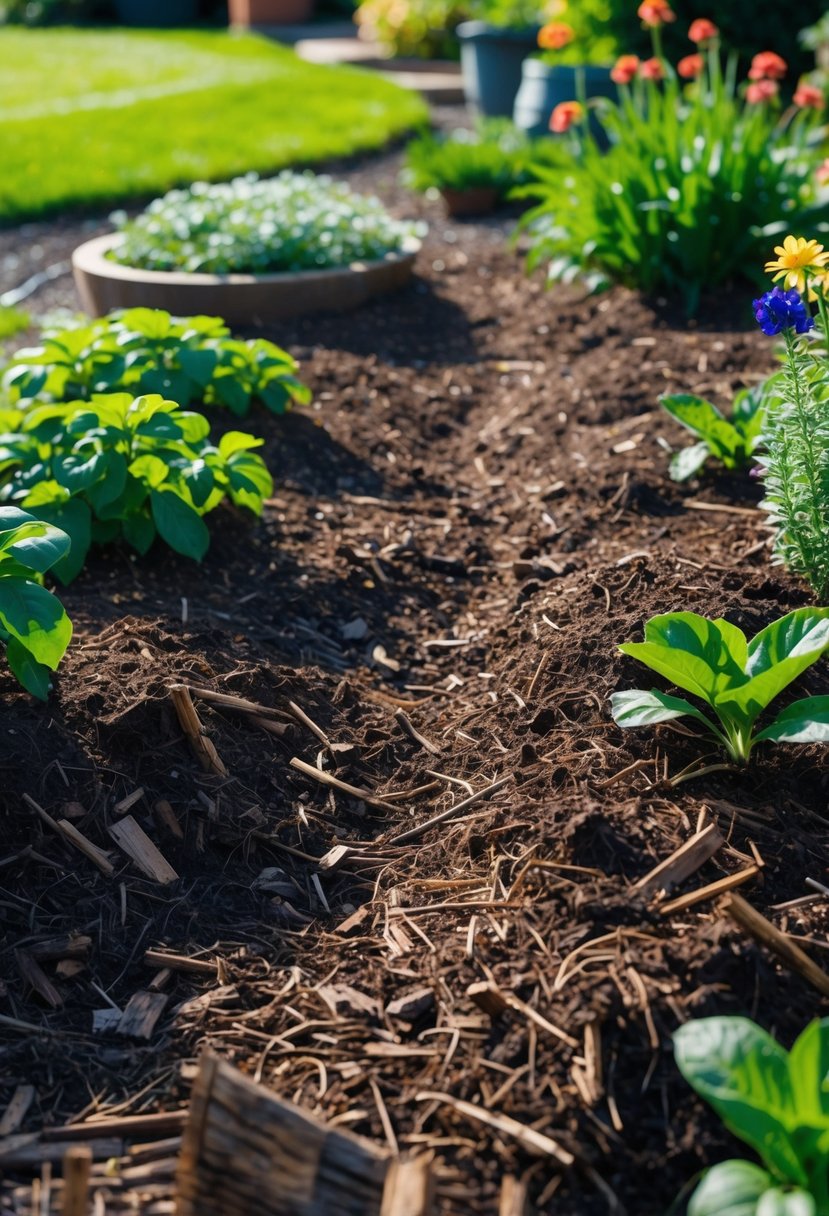
I recommend using bark chips or compost as mulch to improve drainage. These materials allow water to pass through easily while breaking down slowly.
Bark mulch lets water drain naturally through your soil. It adds nutrients as it decomposes over time.
15. Install a gravel-filled trench drain
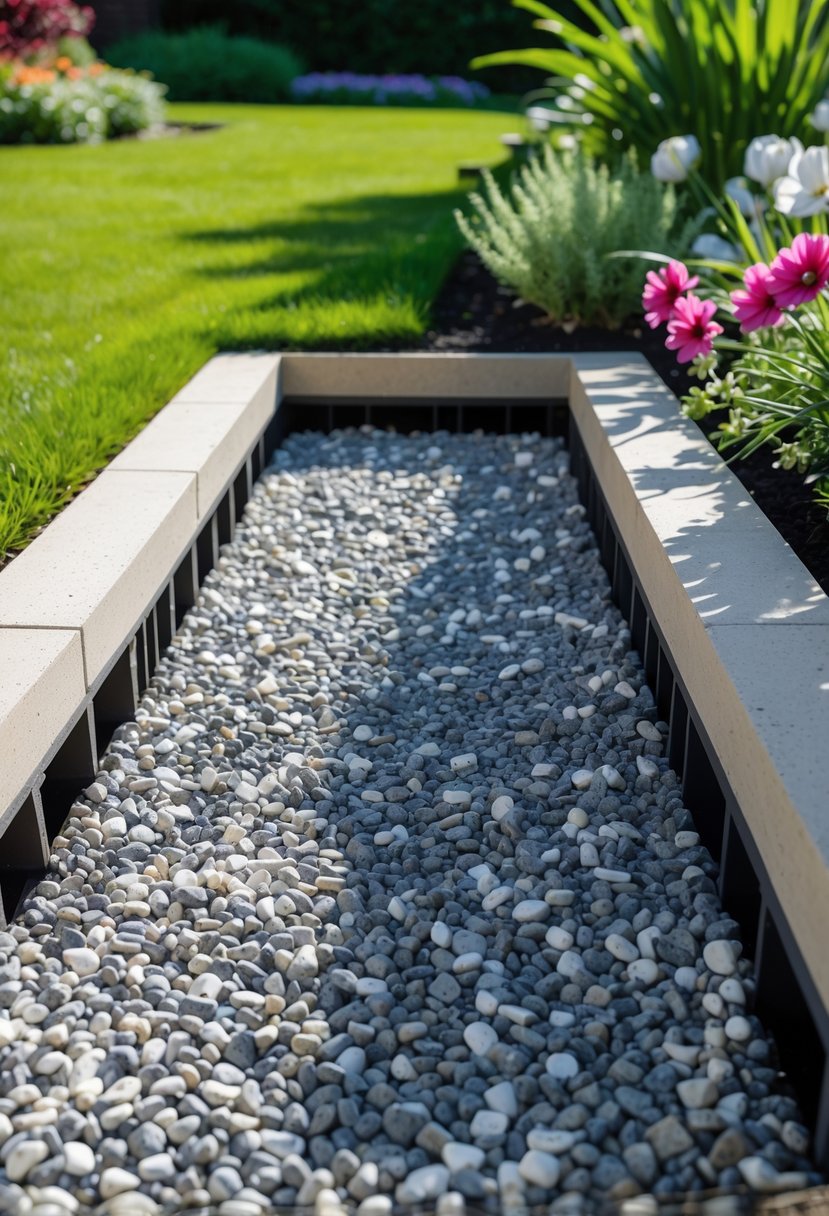
I dig a 6-inch wide trench where water pools or flows across my yard.
I line the trench with landscape fabric to prevent soil from mixing with gravel.
I fill the entire trench with rounded gravel to the top for effective drainage.
16. Incorporate garden terraces with retaining walls
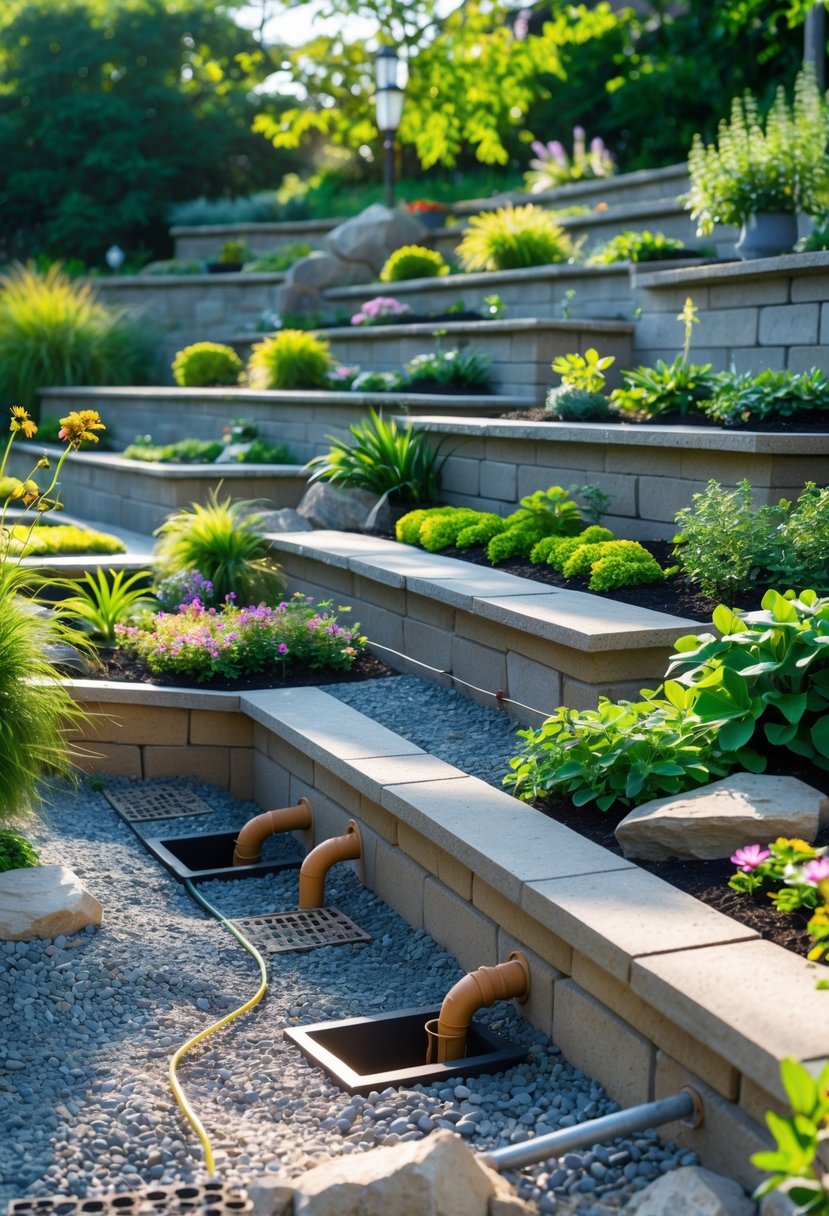
I create stepped terraces using short retaining walls to manage water flow on slopes. Each terrace catches and slows runoff naturally.
I keep walls under 2 feet tall for easier construction. This approach prevents erosion while creating planted areas that absorb excess water.
17. Use downspout river rocks to disperse water
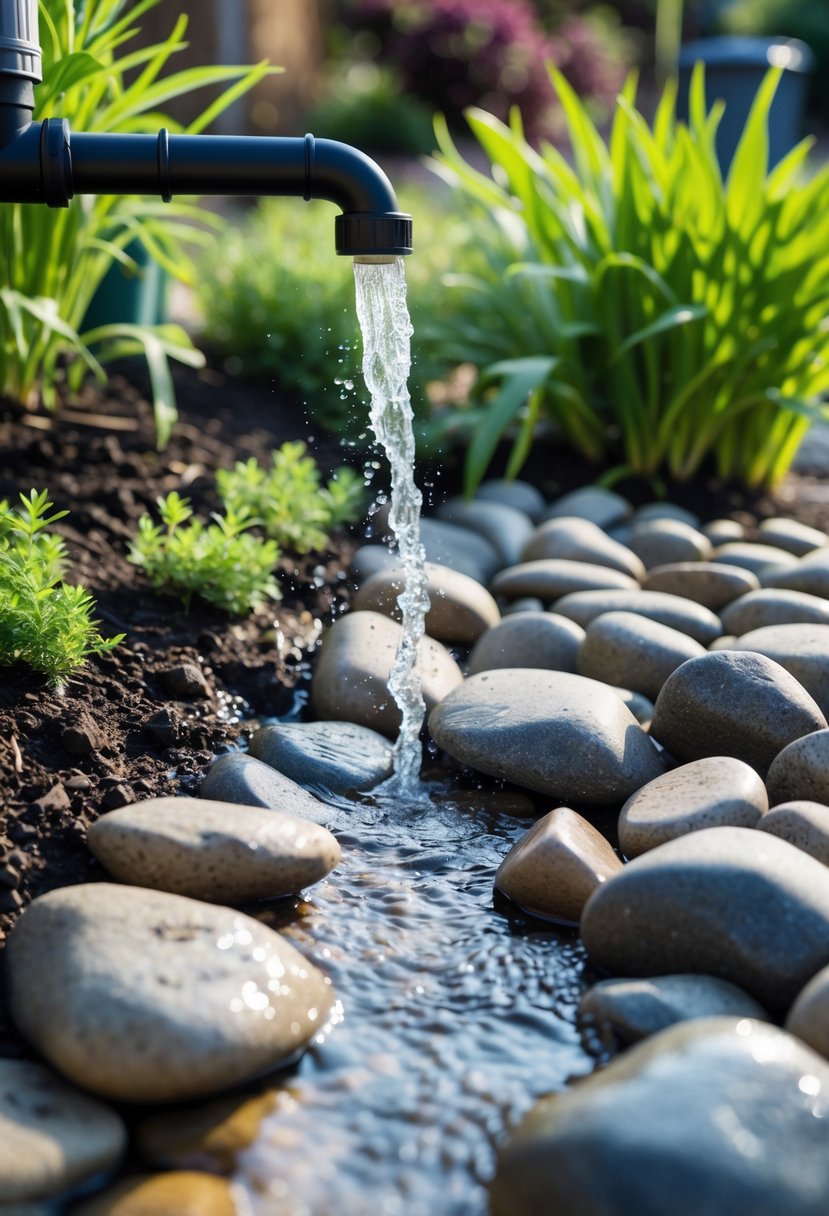
I place river rocks at my downspout’s end to spread water naturally. The rocks slow water flow and prevent soil erosion.
This method costs little but works well. I arrange rocks in a fan shape for best results.